Introduction to the Maple Aroma in Fenugreek
Fenugreek is a versatile herb and spice used extensively in Indian, Middle Eastern, and North African cuisines. One of its most distinctive characteristics is its intense, sweet aroma that bears a striking resemblance to maple syrup. This guide explores the science behind this olfactory phenomenon and how you can identify and utilize it in your own kitchen.
Requirements for Identifying the Flavor Profile
- Whole fenugreek seeds or ground fenugreek powder
- A small skillet for dry roasting
- Warm water for infusion
- A clean glass jar for storage
Step 1: Identifying the Chemical Compound Sotolon
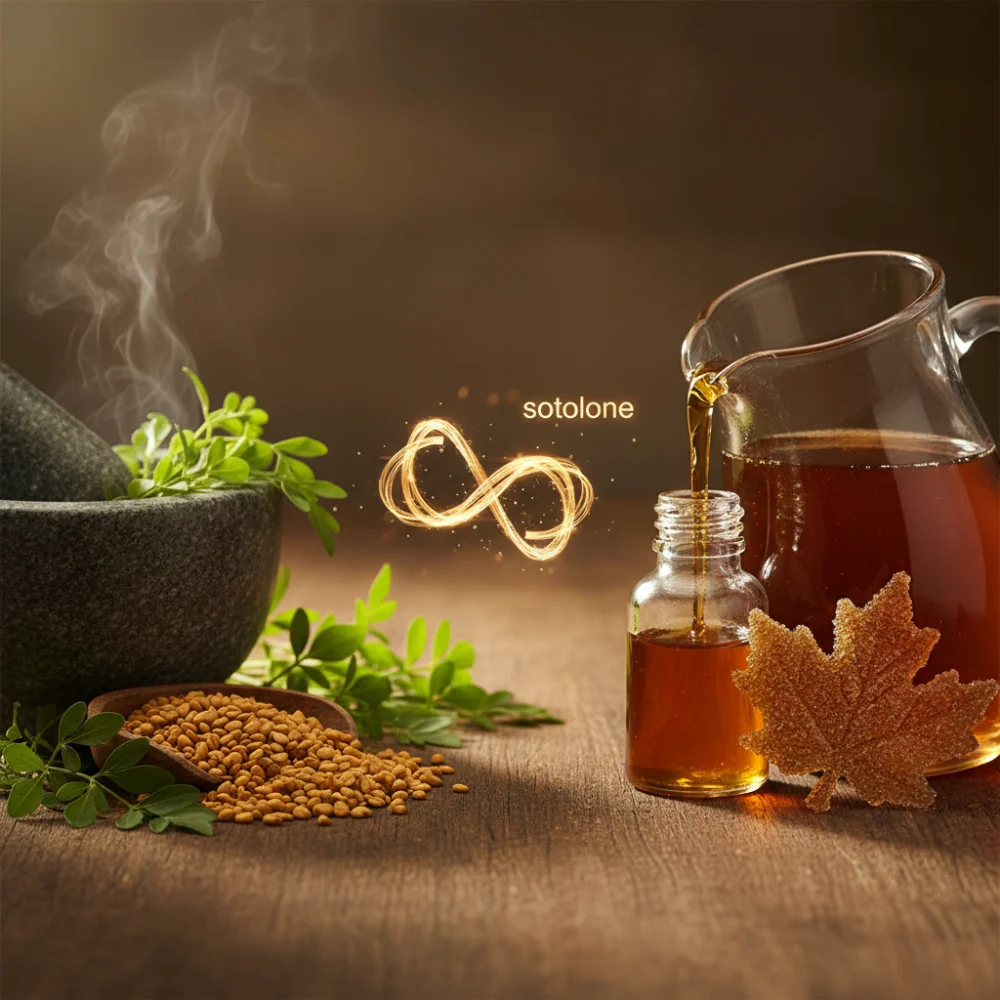
The primary reason for the maple-like scent is a chemical compound called sotolon. This lactone is extremely potent and is found in both fenugreek and maple syrup. In very low concentrations, sotolon produces the characteristic sweet, burnt-sugar smell of maple. When you smell fenugreek, your brain immediately associates it with the familiar scent of pancake syrup because the identical molecule is stimulating your olfactory receptors. Interestingly, because the body does not fully break down sotolon, consuming large amounts of fenugreek can cause a person’s sweat and urine to smell like maple syrup.
Step 2: Observing Concentration and Intensity
It is important to note that the concentration of sotolon determines the perceived scent. In high concentrations, fenugreek can smell quite bitter or even like curry powder or celery. However, as the scent dissipates or is diluted in a recipe, the maple notes become dominant. This is why many commercial imitation maple syrups actually use fenugreek extract as a primary flavoring agent rather than actual maple sap. Understanding this balance allows you to control the intensity of the flavor in your cooking.
Step 3: Enhancing the Aroma through Roasting
To experience the maple scent most vividly, place a teaspoon of fenugreek seeds in a dry skillet over medium heat. Toast them gently for two to three minutes until they turn a golden brown. The heat helps release the essential oils and increases the volatility of the sotolon. Be careful not to burn them, as extreme charring will mask the sweet notes with intense bitterness. Once toasted, the scent will fill the room with a fragrance that is almost indistinguishable from warm syrup.
Step 4: Using Fenugreek as a Maple Substitute
If you are looking to replicate maple flavor in baking or sauces without using sugar-heavy syrups, you can create a fenugreek infusion. Soak toasted seeds in warm water or milk for thirty minutes. The resulting liquid will carry a distinct maple-like essence that can be used in custards, cookies, or savory glazes to provide a complex, sweet depth. This is a common trick used in the food industry to achieve a maple profile at a lower cost.
Conclusion: The Science of Scent
The link between fenugreek and maple syrup is a classic example of how specific chemical compounds define our sensory experiences. By understanding the role of sotolon, culinary enthusiasts can better manipulate flavors and appreciate the intricate chemistry that makes our food smell and taste the way it does. Whether you are using it for health benefits or culinary flair, fenugreek remains one of nature’s most surprising aromatic treasures.

Related Posts