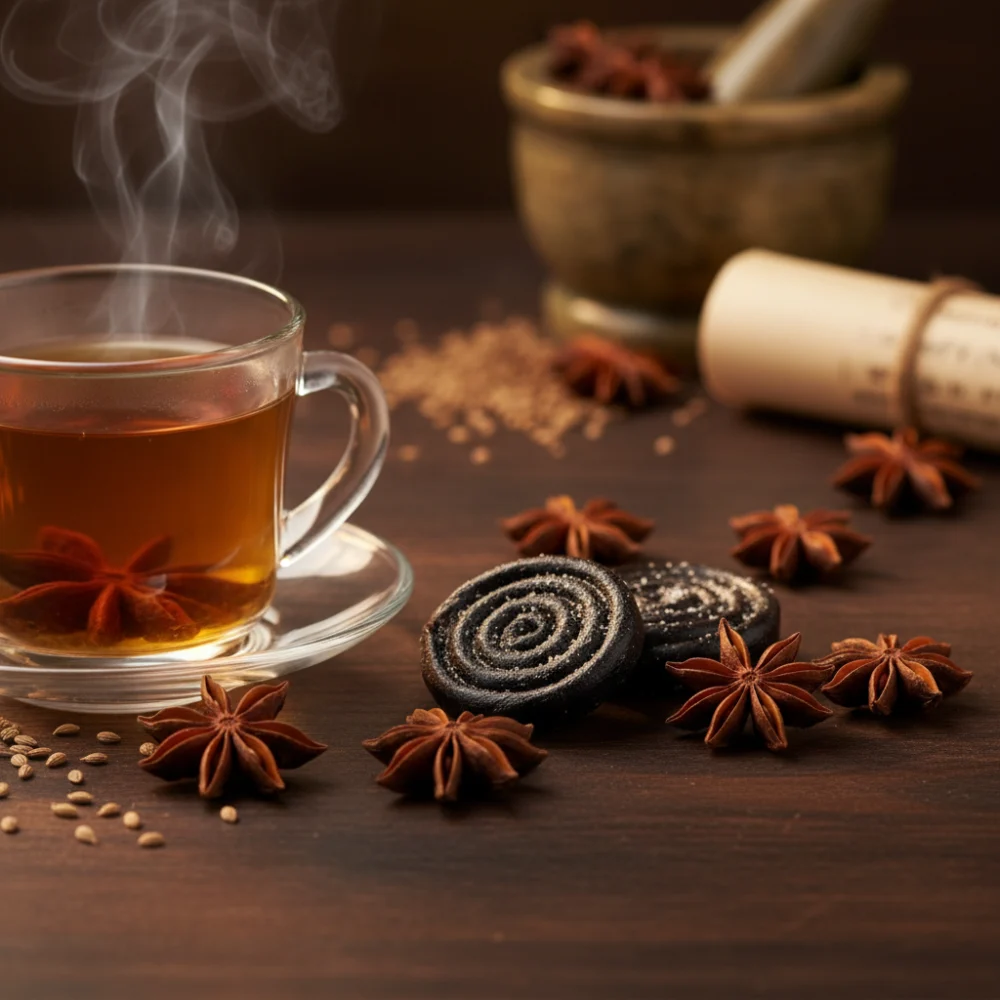
Star anise is the fruit of the Illicium verum tree, an evergreen native to regions of China and Vietnam. It is widely recognized for its intense aroma and flavor that closely mimics licorice. This similarity often leads to confusion among cooks and herbalists alike, but the connection is rooted in organic chemistry rather than botanical relation.
Required Knowledge and Materials
- Whole star anise pods for examination
- Natural licorice root or pure extract for comparison
- A basic understanding of the organic compound anethole
- A clean palate for sensory testing
Step 1: Analyze the Chemical Compound Anethole
The primary secret behind the shared flavor profile is a chemical compound called anethole. Anethole is an aromatic ether found in the essential oils of star anise, licorice, and fennel. It is approximately thirteen times sweeter than sugar and is responsible for the characteristic licorice taste that many people either love or hate. When you consume star anise, the anethole interacts with specific receptors on your tongue to produce a sweet, herbal sensation.
Step 2: Contrast the Biological Origins
While they taste remarkably similar, it is important to understand that the plants are entirely distinct. Licorice is derived from the root of the Glycyrrhiza glabra plant, which is a legume. In contrast, star anise is a fruit harvested from a tree. Understanding this distinction is vital for culinary applications, as star anise provides a more concentrated, pungent flavor, whereas licorice root adds a deeper, more earthy sweetness to liquids and syrups.
Step 3: Conduct a Sensory Comparison
To truly experience the connection, perform a controlled tasting. Place a small fragment of star anise on the tongue and notice the immediate burst of sweetness followed by a slight cooling or numbing effect. This is the anethole at work. Follow this with a taste of natural licorice root. You will find that the core flavor note is identical because both plants have evolved to produce anethole as a natural defense mechanism against pests.
Conclusion
In summary, star anise tastes like licorice because of the high concentration of anethole in its seeds. This shared chemical trait makes star anise a popular and often more affordable substitute for licorice in cooking, baking, and medicine. By recognizing the role of anethole, you can better utilize these ingredients in your kitchen to achieve the perfect flavor balance in both sweet and savory dishes.

Related Posts