
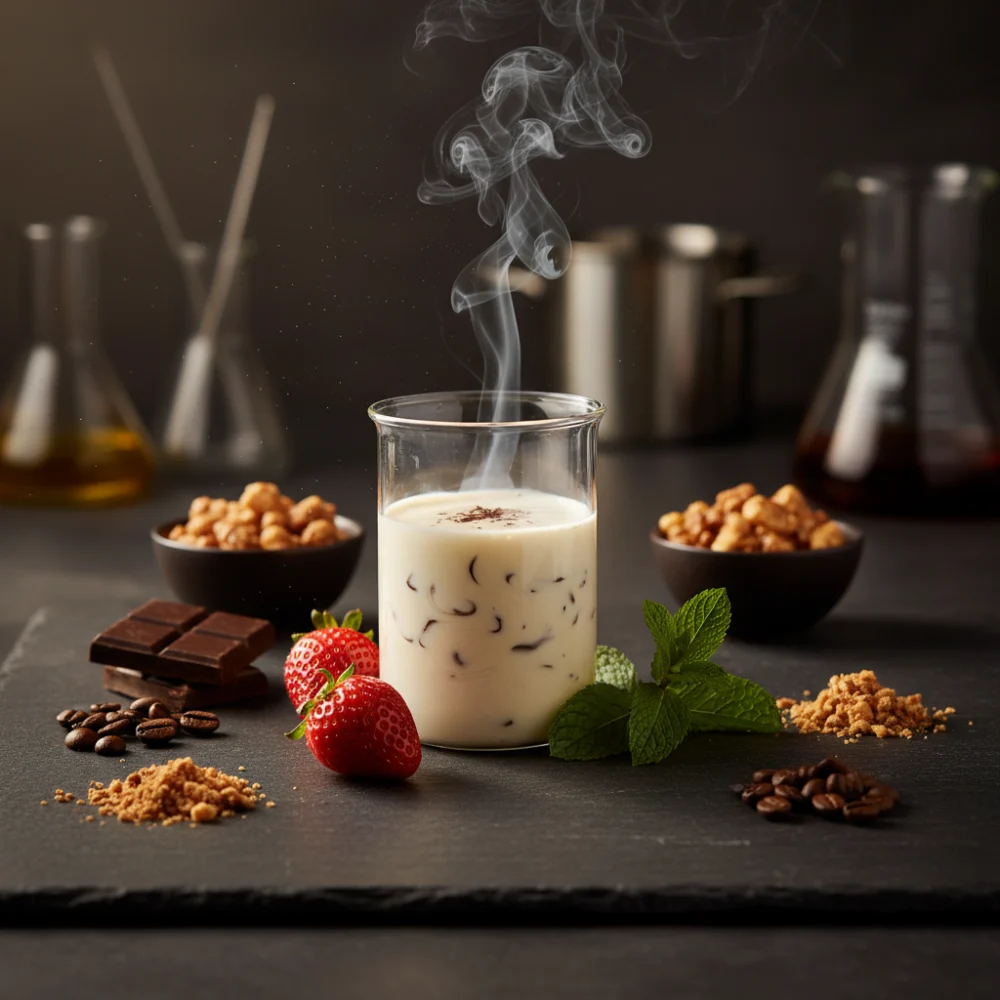
Vanilla is often unfairly labeled as plain or boring, but in the culinary world, it serves as the ultimate secret weapon. Much like salt enhances savory dishes, vanilla acts as a flavor potentiator that rounds out sweetness and bridges the gap between different ingredients. It has the unique ability to make sweet things taste sweeter and bitter things taste smoother without overwhelming the primary profile of the dish.
Essential Components for Flavor Enhancement
To effectively use vanilla as an enhancer, you will need the following components to experiment with:
- High-Quality Vanilla Extract: Pure extract contains the complex compounds necessary for chemical synergy.
- Vanilla Beans: Ideal for long infusions where heat is applied.
- Complementary Bases: Ingredients like dark chocolate, acidic citrus, or high-fat dairy.
Step 1: Leverage Vanillin for Complexity
The primary aromatic compound in vanilla is vanillin. When introduced to a recipe, vanillin interacts with the olfactory system to provide a sense of depth. To start, add a small amount of vanilla to a neutral base like whipped cream. You will notice that the vanilla does not just add its own scent, but it amplifies the creamy, fatty notes of the dairy, making it taste more indulgent.
Step 2: Balance Bitterness and Acidity
One of the most functional uses of vanilla is its ability to soften harsh flavors. In recipes involving cocoa or coffee, the tannins can sometimes be overpowering. By adding vanilla, you create a chemical bridge that masks these sharp edges. This is why vanilla is a standard ingredient in almost all high-end chocolate production; it allows the floral notes of the cacao to emerge by suppressing the bitterness.
Step 3: Amplify Fruit Esters
Vanilla contains hundreds of secondary compounds that mimic the esters found in fresh fruit. When you add vanilla to a fruit-based dish, such as a strawberry tart or a lemon curd, the vanilla compounds bind with the fruit flavors. This makes the fruit taste riper and more intense. Always add vanilla at the end of the cooking process for fruit to ensure these volatile aromatics do not evaporate.
Step 4: Experiment with Savory Applications
While usually reserved for desserts, vanilla can enhance savory dishes like roasted root vegetables or seafood. The key is to use it sparingly. A drop of vanilla in a lobster bisque or over roasted carrots can enhance the natural sugars in the food, providing a sophisticated finish that guests will find delicious but difficult to identify.
Conclusion
Vanilla is far from simple; it is a complex aromatic tool that functions as a flavor bridge, a bitterness suppressant, and a sweetness enhancer. By treating vanilla as a functional ingredient rather than just a flavoring agent, you can unlock new dimensions in your culinary creations and ensure every ingredient reaches its full potential.

Related Posts