
For home cooks and culinary enthusiasts, few ingredients are as frustrating to manage as fresh basil. It is a staple of vibrant, aromatic cooking—the essential backbone of a classic pesto, a caprese salad, or a finishing touch for roasted vegetables. Yet, despite its popularity, it is notoriously temperamental. Many home cooks have experienced the disappointment of purchasing a lush, green bunch of basil only to find it withered, blackened, and slimy within twenty-four hours of bringing it home. This common culinary grievance has long prompted a search for the "holy grail" of storage techniques, often leading to wasted money and ruined recipes. Now, a surprisingly simple solution has emerged that challenges the conventional wisdom regarding how we treat our fresh produce.
The prevailing myth, which has led many to the same disappointing results, is that fresh herbs—like most other leafy greens—must be stored in the refrigerator to maintain their longevity. However, expert home cooks and food observers are now confirming that the refrigerator is, in fact, the least suitable environment for basil. Cold temperatures are damaging to the delicate cellular structure of the basil leaf, causing it to darken and lose its characteristic flavor profile rapidly. Instead of prolonging the life of the herb, the humidity and cold of a standard refrigerator drawer act as a catalyst for decay.

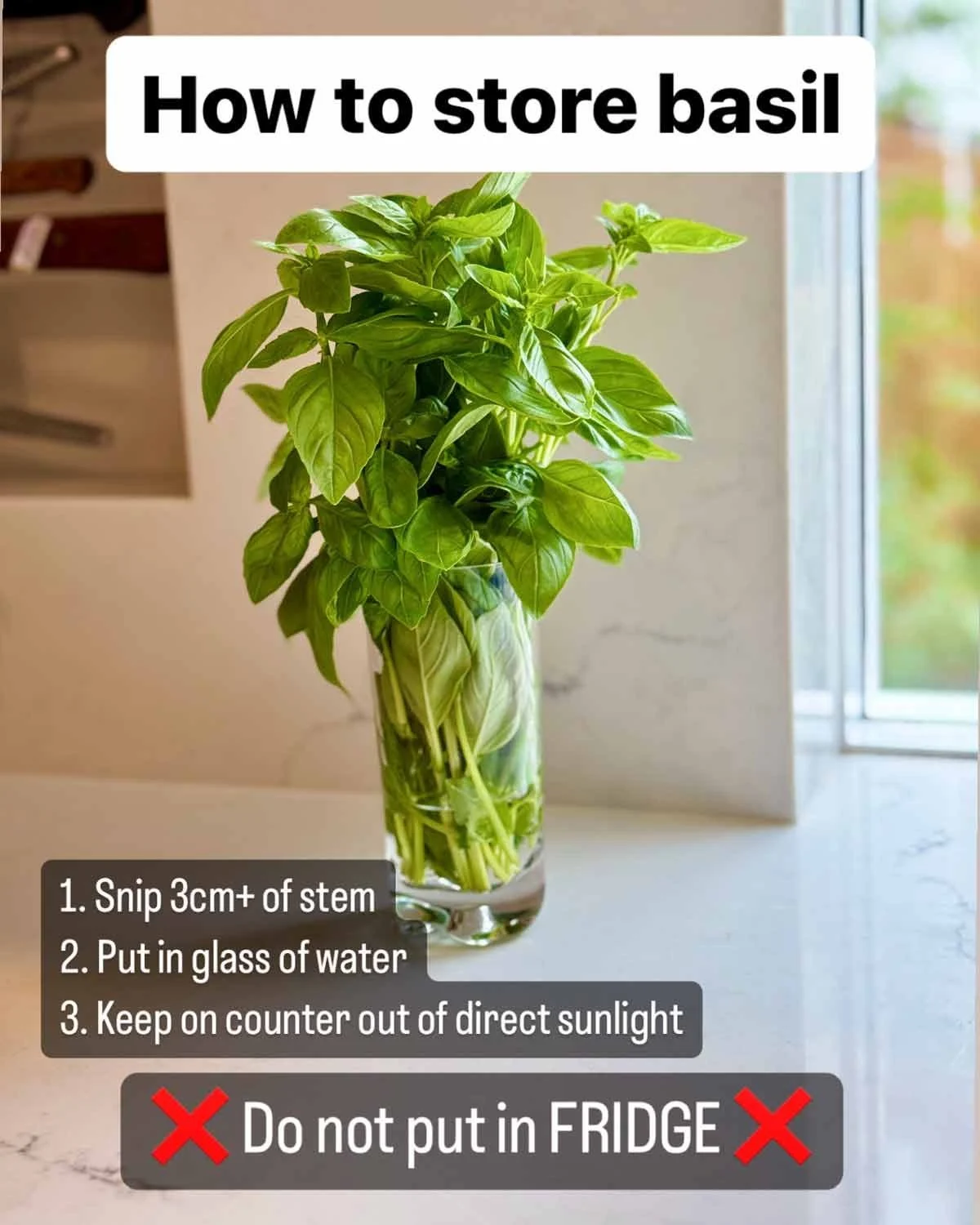
The breakthrough method, which has been hailed as a genuine "game changer" for the kitchen, relies on a counterintuitive approach: treat your basil not as a piece of produce to be chilled, but as a fresh-cut bouquet of flowers. By placing a bunch of basil stems into a jar of room-temperature water and keeping the vessel on the kitchen counter, the herbs remain vibrant and perky for over a week. This method effectively bypasses the pitfalls of refrigeration, allowing the plant to continue its natural life cycle in an environment that mimics its preferred growing conditions.
The process is remarkably straightforward, requiring only a vessel—such as a glass jar or a vase—and a bit of regular maintenance. Once the stems are submerged, the key to success lies in consistent care. Just as one would tend to a vase of cut flowers, the water in the jar should be refreshed every few days. This simple act prevents the water from becoming stagnant and ensures that the stems continue to hydrate properly, which is essential for maintaining the structural integrity and bright green color of the leaves. While minor evaporation may occur over time, particularly in a warm kitchen, the overall state of the basil remains vastly superior to any result achieved through refrigeration.

The necessity of this discovery becomes clear when reviewing the litany of failed experiments that most dedicated cooks have undertaken in their quest for longevity. Over the years, countless methods have been tested and discarded. Some have attempted to wrap the leaves loosely in dampened paper towels, a technique that often leads to mold if the moisture levels are not perfectly calibrated. Others have tried the "ballooned" freezer bag method, creating a makeshift greenhouse in the refrigerator. Even more complex approaches, such as using airtight containers, specialized racks to keep the leaves elevated, or leaving the herbs in the original plastic packaging provided by supermarkets, have ultimately fallen short.
Even the most promising of these traditional methods—such as placing a glass of water containing the basil inside a loosely covered freezer bag and storing it in the refrigerator door—often proves to be more trouble than it is worth. While this might extend the life of the herb by a few days, it requires constant maintenance, such as wiping away the condensation that inevitably builds up on the inside of the bag. The effort required to keep the environment sterile and balanced frequently outweighs the benefits, transforming a simple culinary task into a tedious chore.

For many, the frustration of storing cut basil eventually led to the adoption of potted basil plants. While these are convenient for small, daily amounts of snipping, they rarely provide the volume required for more ambitious culinary endeavors. When the goal is to produce a large batch of homemade pesto or to prepare a substantial meal for a gathering, the limited yield of a small supermarket pot is rarely sufficient. This often forced cooks back into the cycle of purchasing fresh, cut bunches on the exact day they were needed, which is not only inconvenient but also leaves the cook at the mercy of store inventory and pricing.
The realization that a simple jar of water on the counter provides a 100% success rate has shifted this dynamic entirely. It allows home cooks to plan their meals with greater flexibility, knowing they can stock up on fresh basil without the looming threat of spoilage. This is particularly valuable for those who take pride in creating great food with everyday ingredients, as it eliminates the waste that often accompanies the purchase of fresh herbs.

The impact of this technique extends beyond simple convenience; it represents a more creative and confident approach to cooking. By mastering the storage of a single, delicate ingredient, the home cook gains the freedom to experiment. Whether it is a burst tomato and burrata salad or a robust, herbaceous pesto, the confidence that comes with having high-quality ingredients on hand is an invaluable asset.
This discovery serves as a reminder that the best solutions in the kitchen are often the simplest ones, rooted in an understanding of the product rather than complex storage hacks. It encourages a shift away from the "refrigerate everything" mindset that dominates modern kitchens, urging cooks to observe their ingredients and provide them with the environment they truly need. As this simple, effective method becomes more widely recognized, the days of throwing away blackened, wilted basil after a single day of storage appear to be coming to an end. It is a quiet revolution in the kitchen—one that emphasizes freshness, reduces food waste, and makes the joy of cooking with fresh herbs a far more accessible, and much more sustainable, reality for everyone.

Related Posts