
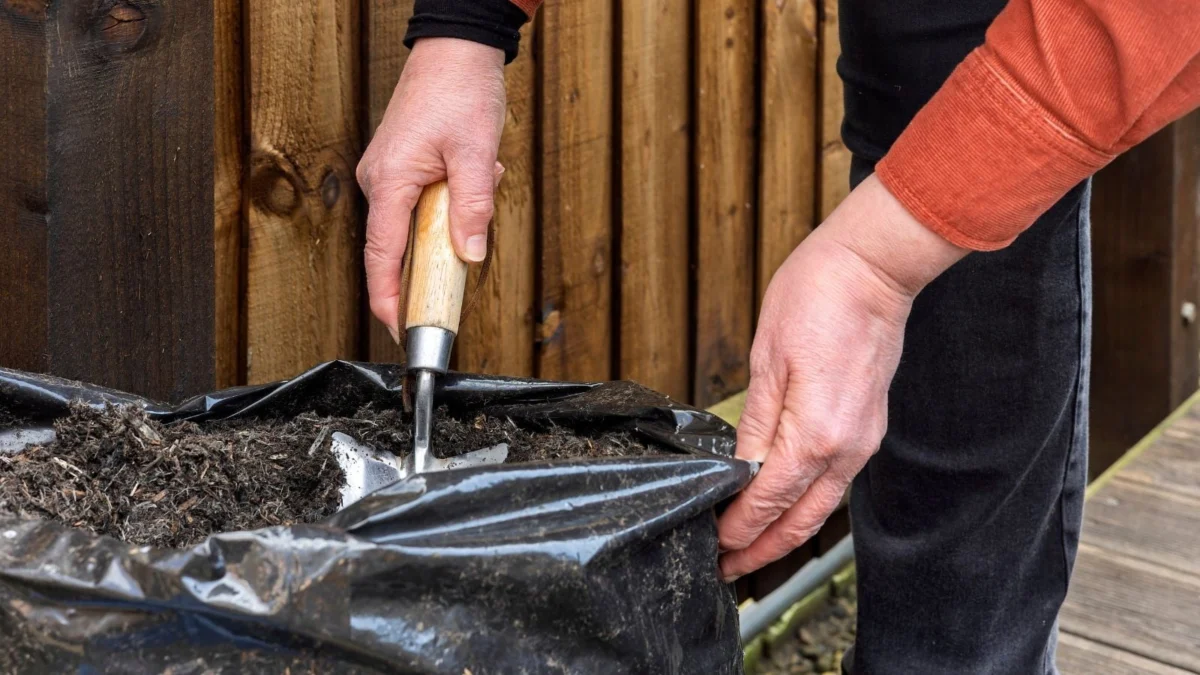
When novice gardeners embark on their first cultivating projects, the convenience of purchasing pre-packaged soil often overshadows the hidden variables that can make or break a harvest. Choosing whether the financial and practical risks of bagged soil are truly worth the investment is a complex question for horticulturists, with the answer largely contingent upon the specific needs of a garden, its geographic location, and its underlying native ecology. To examine these potential pitfalls, experienced gardener Sarah Jay has outlined several critical risks to help growers make informed decisions about how to build and maintain healthy soil.
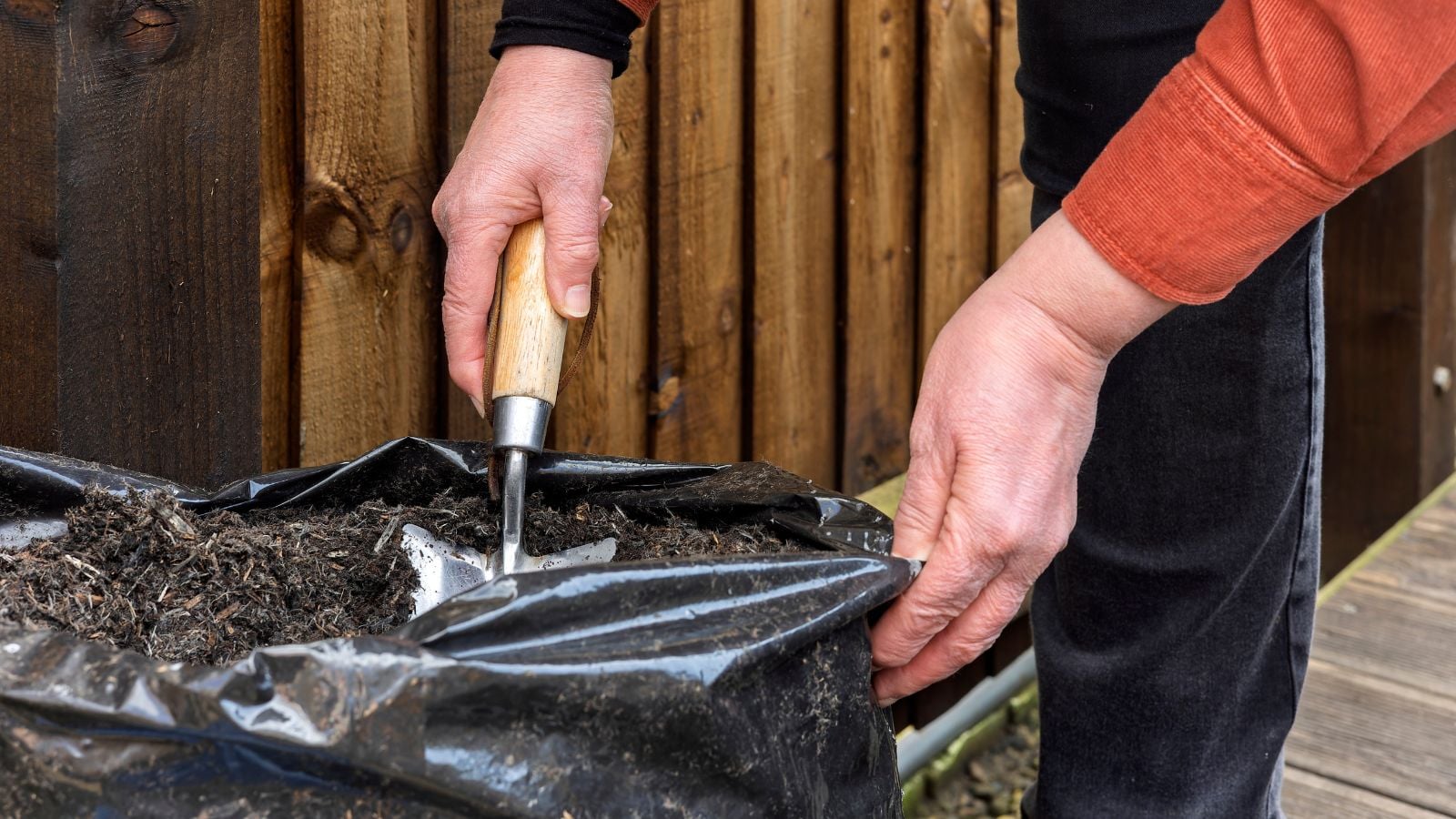
Reflecting on her early experiences in horticulture, Jay notes that many beginners face immediate obstacles when relying exclusively on commercial bagged soils. During her own first venture into raised-bed gardening, purchasing the wrong type of topsoil inadvertently created a medium resembling concrete in one of her beds, halting plant growth completely and requiring years of soil remediation to recover. This hard lesson sparked a broader investigation into the manufacturing, distribution, and retail vulnerabilities associated with commercial soil products.
The core issue facing consumers is that pre-packaged soils can suffer from quality degradation driven by improper preparation, manufacturing inconsistencies, or poor storage conditions at retail locations. These environmental factors can hamper even the most carefully formulated commercial blends. Consequently, horticulturists are increasingly examining whether working with native earth, combined with targeted and strategic amendments, might ultimately yield better results than hauling stacks of commercial bags home from the garden center.

Should You Buy Bagged Soil?
Put simply, there are notable risks involved with using only bagged soil to build a garden ecosystem. One of the primary challenges is the inherent opacity of the product; it is difficult to know precisely what is inside a sealed package and what environmental conditions the soil endured prior to purchase. Improper preparation and substandard storage conditions can degrade even the highest-grade preformulated soils before they ever reach a garden bed. In many instances, native soil treated with a few key organic amendments can provide a more stable and resilient foundation than what is available in commercial bags.
Risk 1: You Can’t See It
The most obvious hazard of purchasing bagged soil is the inability to inspect its composition and texture prior to purchase. Consumers must rely entirely on brand reputation and labeling until the bag is opened at home. While buyers may trust a specific manufacturer or product line, hidden contaminants or moisture imbalances often remain completely invisible until the plastic is sliced open.

To mitigate this risk, experienced growers recommend sourcing products exclusively from reputable brands and trusted retail outlets known for proper inventory management. Gardeners must also carefully read labels to match the soil type to its intended application. Products designated as garden soil or potting soil are generally formulated for raised beds and containers, whereas raw components like topsoil, compost, peat, and perlite are typically required for custom DIY formulations.
Another critical factor is the manufacturing or packaging date, which is frequently stamped onto the bag. When stored properly in a shaded environment away from direct sunlight, commercial soil mixes generally retain their structural and nutritional integrity for one to two years. Once bags are opened or punctured, however, the contents begin to dry out and lose vital properties. Gardeners are advised to inspect packages for holes or tears, noting that retail stores will often grant discounts on damaged merchandise, though compromised packaging significantly increases the likelihood of internal degradation.
Risk 2: It Doesn’t Last
Beyond expiration timeframes and post-opening decline, bagged soil often exhibits a limited ability to endure over long periods once applied to an active garden. When utilized on its own without ongoing maintenance, commercial soil frequently fails to hold up past a single growing season. While applying mulch can help mitigate moisture loss and slow down the degradation of nutrients and organic matter, the longevity of bagged products remains a significant drawback.
In contrast, native soil—unless situated on a recently cleared residential lot leveled heavily by construction machinery—frequently possesses a foundational structure and mineral baseline that can support a thriving garden. In such cases, applying a few targeted amendments may be all that is necessary to cultivate a robust growing environment. Bagged soils, by comparison, often lack the lasting structural power required for sustained, multi-year gardening without frequent replenishment.

Risk 3: It’s Expensive
When discussing high-quality, preformulated commercial soils, the financial investment can quickly add up. For many growers, relying exclusively on bagged products risks severely depleting household budgets, especially when establishing larger garden infrastructure from scratch. While purchasing an occasional bag to refresh a container is manageable, scaling this approach to fill entire raised beds becomes cost-prohibitive.
To put the expense into perspective, a standard raised bed measuring three feet by six feet with a height of ten inches requires approximately 15 cubic feet of growing medium. Because a typical commercial bag of soil contains roughly two cubic feet, a gardener would need approximately eight bags to fill a single bed. At a premium price point of $25 per bag for high-quality product formulations, the total cost exceeds $200 just to fill one bed, long before purchasing seeds, starters, or irrigation supplies.

Risk 4: It Could Be Contaminated
Biological and chemical contamination represents one of the most frustrating hazards associated with commercial bagged soils. Gardeners have reported purchasing multiple bags to fill fabric grow pots or raised beds, only to discover later in the season that the medium was heavily infested with fungus gnat eggs. Eliminating these persistent pests often requires intense intervention, sometimes forcing growers to abandon production for an entire season to treat the infestation.
Similar risks involve chemical contamination, such as residual herbicides inadvertently trapped within composted ingredients used in soil manufacturing. These incidents frequently occur during transportation and distribution when pallets are exposed to rough handling or weather, creating tears that allow insects, weed seeds, and environmental pathogens to infiltrate the contents.

Inspecting packaging integrity at the point of purchase remains a primary defense against introducing these problems into a home garden. Purchasing exclusively from retailers who maintain clean, dry, and structurally sound storage areas helps minimize exposure. If a particular supplier or brand has a history of contamination issues, avoiding their inventory altogether is often the safest path forward.
Risk 5: Amended Native Soil Is Better
The cumulative weight of these commercial drawbacks points toward a more sustainable alternative: utilizing and improving native earth. For many in-ground beds, containers, and raised structures, the most effective approach is to amend existing native soil based on regional guidelines provided by local agricultural extension offices.
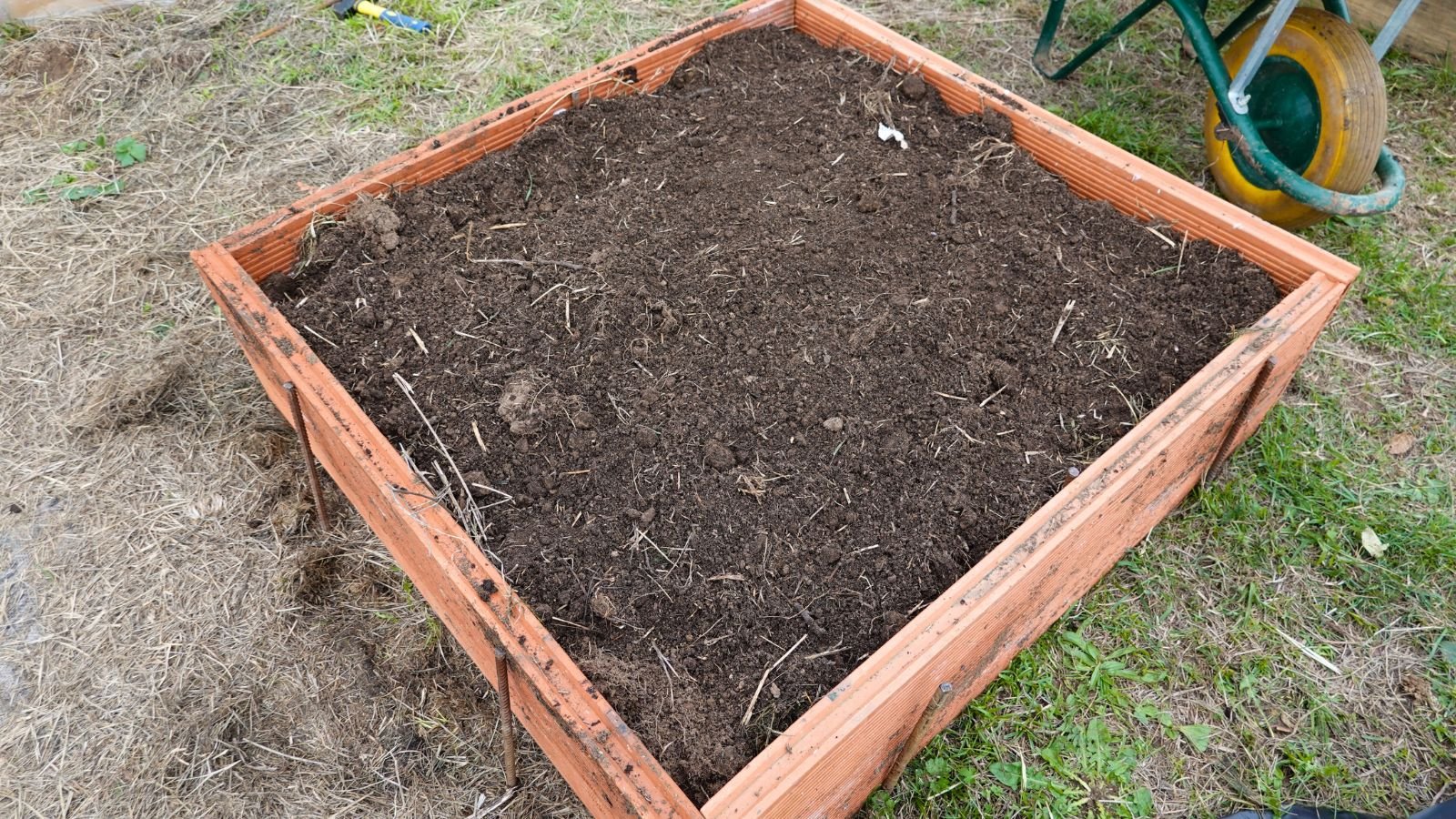
Conducting a professional soil test provides an exact breakdown of a plot’s mineral composition, allowing gardeners to tailor their amendments precisely to the needs of specific crops. For deep raised beds, gardeners can construct a layered foundation using organic materials such as wood chips, fallen branches, autumn leaves, and unfinished compost at the base. This method fosters a biological environment with a richer, more diverse nutrient and microbial profile than sterile or synthetic commercial mixes.
While bagged soils continue to serve a practical purpose for specific container requirements or for topping off existing beds that need a seasonal refresh, the distinct risks associated with commercial packaging suggest that relying on bags should be approached with caution rather than treated as an automatic solution for new gardens.

Related Posts