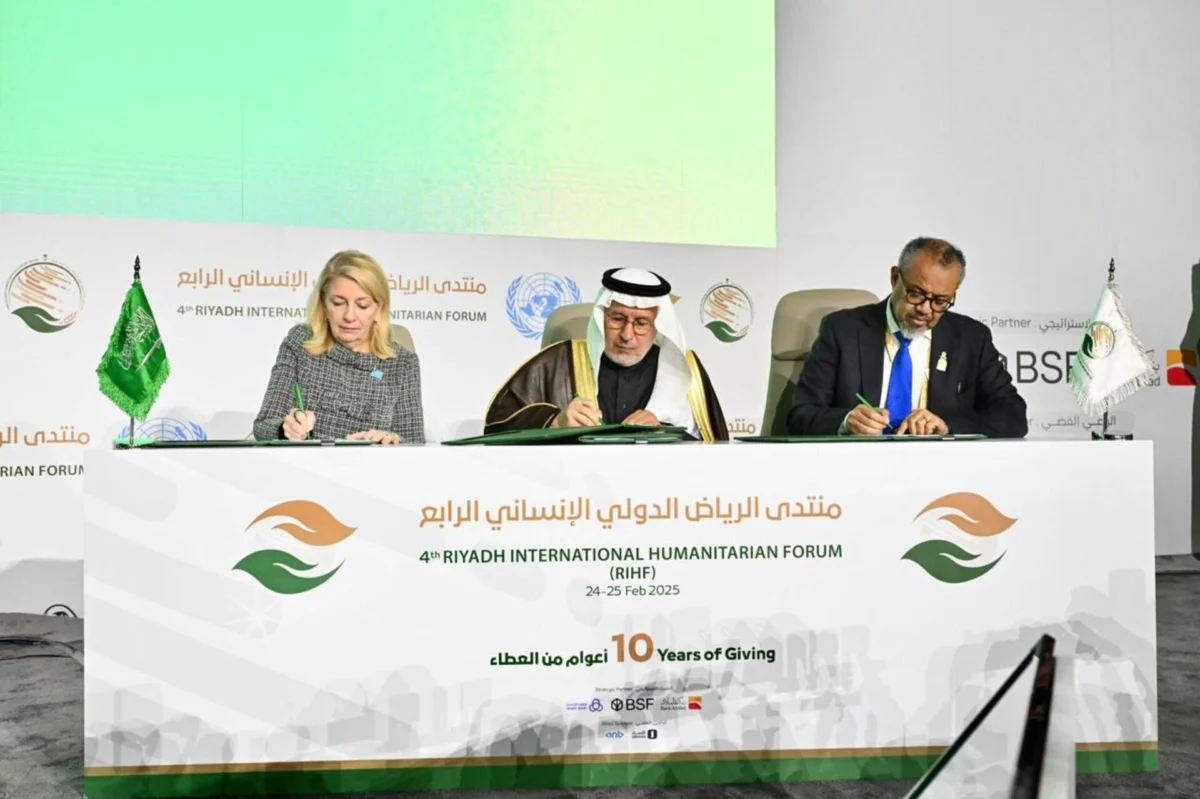
The international humanitarian community converged in the Saudi capital for the Riyadh International Humanitarian Forum, held on February 24 and 25, 2025, to address some of the most pressing health and humanitarian emergencies facing the world today. Bringing together global partners, policymakers, and sector leaders, the high-profile gathering focused heavily on vital advocacy for crisis-affected populations. Discussions centered on human survival, health diplomacy, general well-being, and the fundamental dignity of individuals caught in conflict and disaster zones, alongside a critical emphasis on ensuring the safety and security of aid workers operating in increasingly hazardous environments.
This year’s forum carried profound significance as it coincided with the tenth anniversary of the King Salman Humanitarian Aid and Relief Centre (KSRelief). Over the past decade, KSRelief has emerged as a cornerstone of international humanitarian assistance, and the anniversary milestone served as a backdrop for major new agreements, strategic partnerships, and substantial financial pledges. These commitments are specifically tailored to address ongoing and worsening humanitarian challenges across the Middle East and surrounding regions, where fragile health systems continue to buckle under the weight of protracted conflicts, displacement, and infectious disease outbreaks.

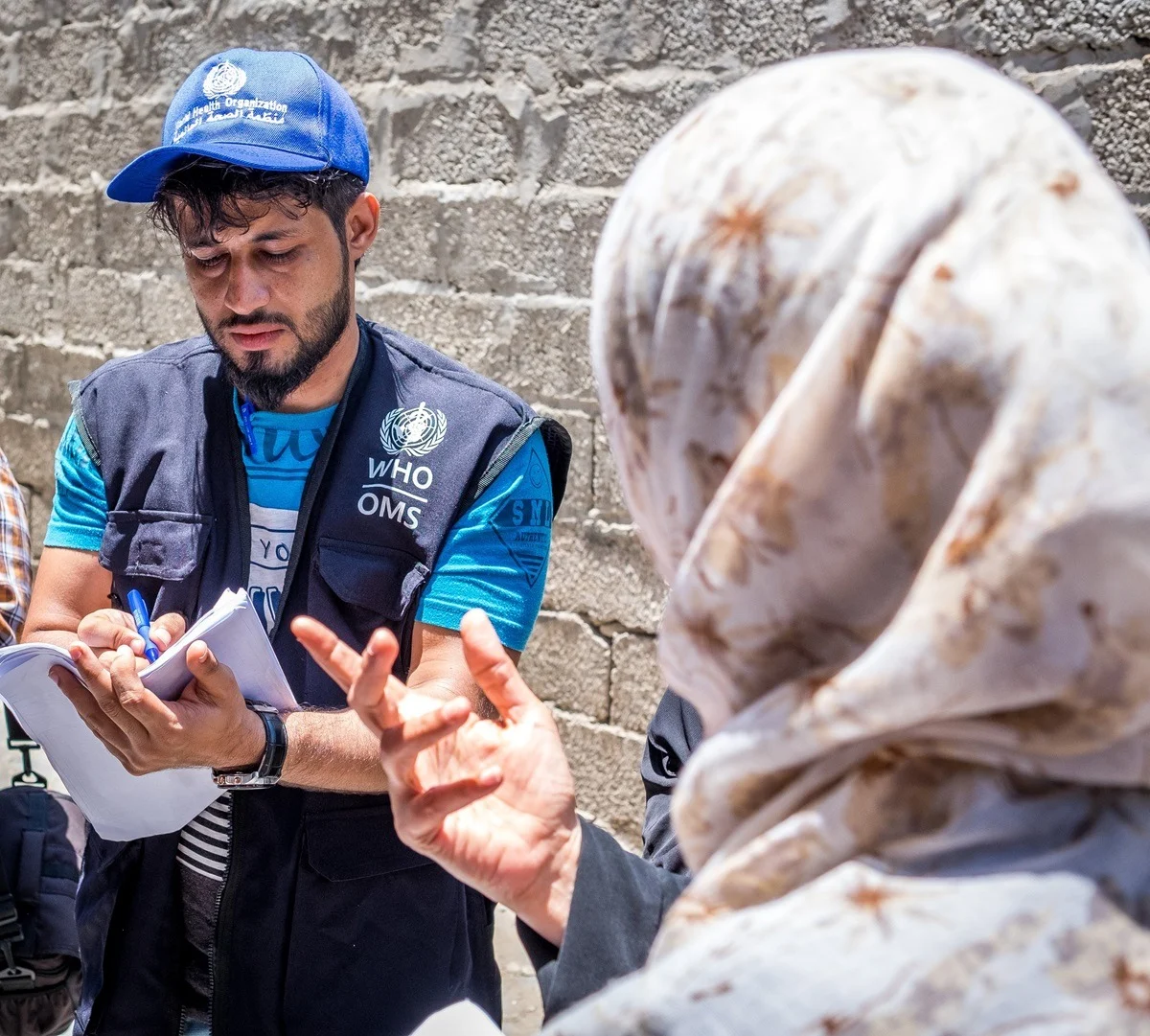
Among the most significant outcomes of the two-day forum was the expansion of collaborative life-saving health interventions between the World Health Organization (WHO) and KSRelief. In a joint effort to tackle compounding health emergencies in Yemen, the two organizations formalized crucial new funding agreements designed to combat malaria and curb the spread of cholera. Specifically, the partnership secured US$ 12 million dedicated entirely to comprehensive malaria control programs, alongside an additional US$ 2.1 million aimed at rapidly expanding cholera treatment infrastructure and medical supply chains in vulnerable areas.
Yemen has long endured devastating public health challenges driven by years of conflict and the subsequent collapse of local sanitation and medical infrastructure. The resurgence of waterborne and vector-borne diseases has posed a continuous threat to millions of civilians. By bolstering resources for malaria and cholera interventions, the new funding agreements provide a vital lifeline to health workers on the ground who are striving to contain outbreaks before they spiral further out of control.
Beyond the immediate crisis response in Yemen, the scope of the WHO and KSRelief collaboration extended to address the regional spillover effects of other protracted conflicts. A separate agreement, valued at US$ 3.6 million, was established between KSRelief and the WHO Egypt Country Office. This dedicated funding is earmarked to provide essential dialysis treatment for Sudanese refugees who have been forced to flee their homes due to the ongoing conflict in Sudan. The sudden and massive influx of displaced populations into neighboring countries like Egypt has placed immense pressure on local healthcare facilities, making targeted international support indispensable for maintaining continuous care for patients suffering from chronic and life-threatening conditions such as kidney failure.
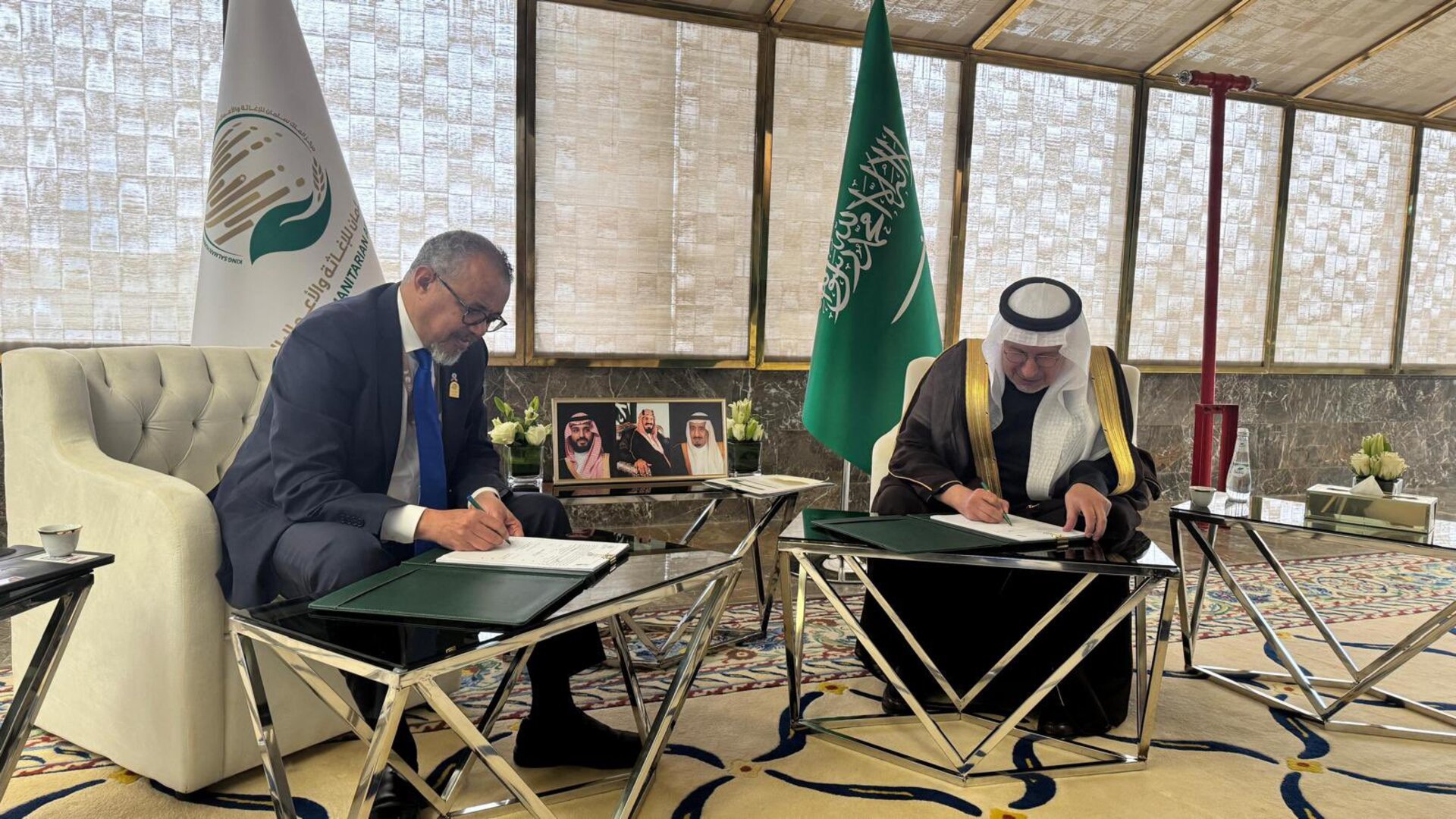
The collaborative momentum at the Riyadh forum also underscored a historic financial commitment to the global eradication of polio. The Kingdom of Saudi Arabia formally reaffirmed its substantial US$ 500 million pledge to the Global Polio Eradication Initiative (GPEI), a commitment that was originally announced in April 2024. To operationalize this monumental pledge, two major funding agreements were finalized during the forum: US$ 300 million allocated to the WHO and US$ 200 million allocated to UNICEF.
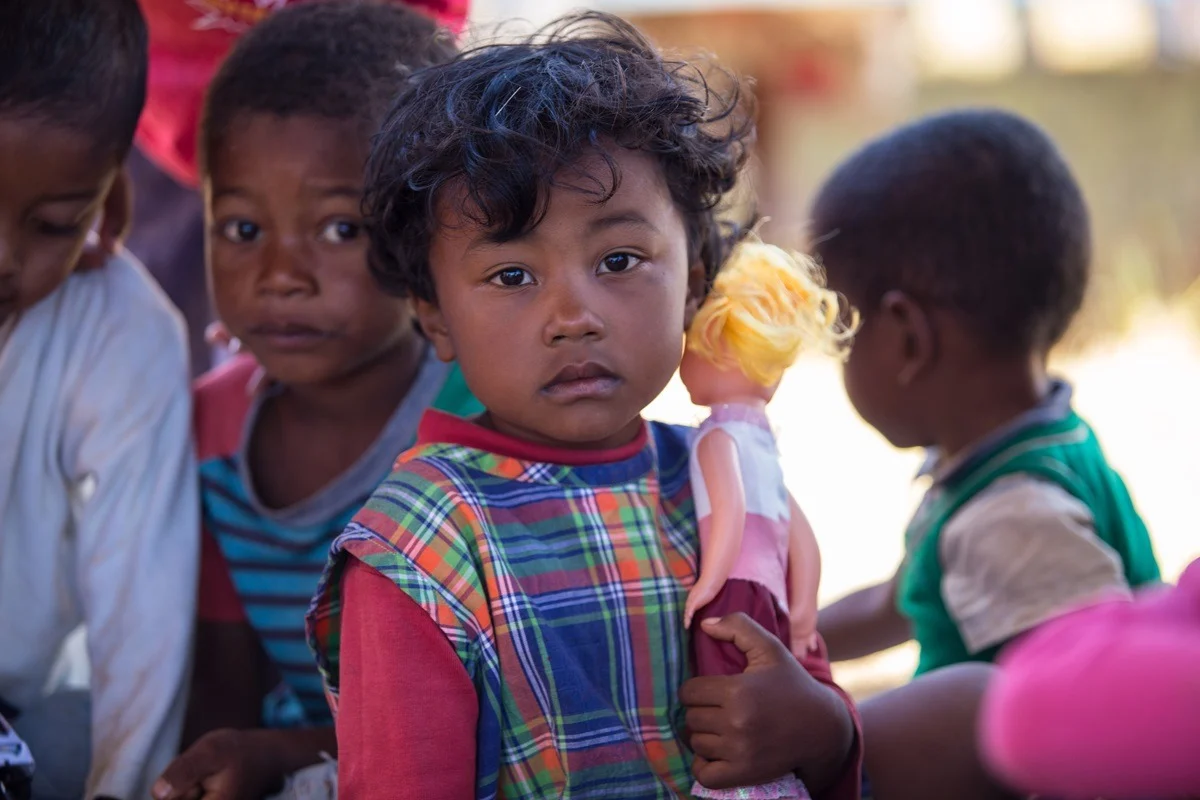
This robust financial backing will directly sustain large-scale immunization campaigns designed to vaccinate an estimated 370 million children annually. The concerted push toward global eradication is particularly vital in high-risk, conflict-affected regions where polio has unfortunately experienced a troubling resurgence. Countries and territories such as Pakistan, Afghanistan, and Gaza present immense operational hurdles for immunization teams, requiring nuanced health diplomacy, secure corridors, and sustained financial resources to reach every eligible child. The reaffirmation of Saudi Arabia’s contribution highlights the nation’s steadfast dedication to eradicating a preventable disease that threatens the future of generations in the world’s most vulnerable areas.
The Riyadh International Humanitarian Forum 2025 ultimately served as a powerful testament to the enduring and expanding partnership between global health bodies like the WHO, UNICEF, and dedicated regional institutions such as KSRelief. By fostering an environment of active cooperation and resource mobilization, the forum delivered tangible solutions for some of the planet’s most severe humanitarian crises. The strategic agreements signed over the course of the two days represent far more than financial transactions; they embody a shared commitment to mitigating human suffering, combating resurgent diseases like malaria, cholera, and polio, and safeguarding the health and dignity of displaced and crisis-affected populations worldwide. Through these coordinated efforts, the international community continues to reinforce the architecture of global health security, ensuring that vulnerable populations receive the critical care they need when it matters most.

Related Posts