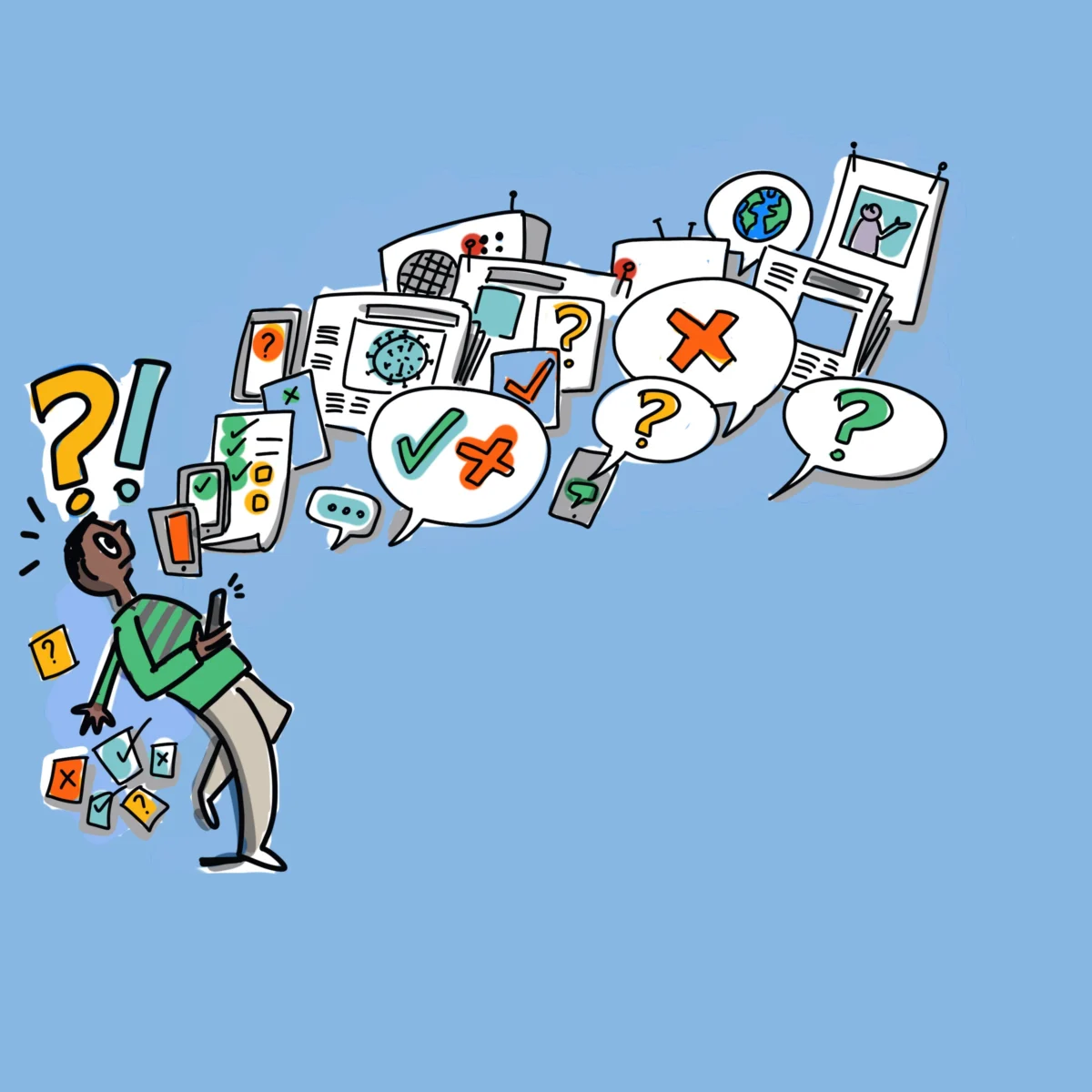
The Coronavirus disease (COVID-19) stands as the first pandemic in human history in which advanced technology and social media are being utilized on an unprecedented scale to keep populations safe, informed, productive, and connected. Digital tools have allowed billions of people to work remotely
, access essential services, and maintain human contact during sweeping lockdowns and physical distancing measures. Yet, at the very same time, the digital architecture that people rely on to stay informed has given rise to a parallel crisis: an overwhelming infodemic that continues to undermine the global health response and jeopardize vital measures designed to control the transmission of the virus.
An infodemic is defined as an overabundance of information—both online and offline—that includes deliberate attempts to disseminate inaccurate information. These falsehoods are often manufactured and spread strategically to undermine public health interventions and advance the alternative political, ideological, or financial agendas of specific groups or individuals. The proliferation of mis- and disinformation poses a direct threat to people’s physical and mental health. It increases social stigmatization, threatens hard-won global health gains, and leads to poor observance of basic public health protocols. When communities lose faith in evidence-based guidance, the effectiveness of containment measures plummets, severely endangering the ability of nations to halt the spread of the pandemic.
Public health officials have repeatedly emphasized that misinformation carries a catastrophic human cost. Without the foundational elements of public trust and accurate, science-based information, diagnostic testing programs go underutilized, and immunization campaigns—including efforts to promote newly developed, effective vaccines—struggle to meet their critical coverage targets. When public confidence is eroded by falsehoods, the virus continues to circulate and thrive within vulnerable populations, prolonging the crisis for everyone.
Furthermore, the unchecked spread of disinformation is dangerously polarizing public debate surrounding virtually every aspect of COVID-19. It amplifies hate speech, targets marginalized groups, and heightens the risk of social conflict, civil unrest, and severe human rights violations. Over the long term, this erosion of shared reality and trust in institutions threatens the foundational prospects for advancing democracy, protecting human rights, and maintaining fragile social cohesion across global societies.
Recognizing the gravity of this digital emergency, United Nations Secretary-General António Guterres launched the United Nations Communications Response initiative in April 2020 specifically to combat the dangerous spread of mis- and disinformation. Complementing this effort, the UN issued a comprehensive Guidance Note on Addressing and Countering COVID-19 Related Hate Speech on May 11, 2020, to provide practical frameworks for identifying and mitigating targeted hostility fueled by the pandemic.
These international policy initiatives gained significant formal momentum at the World Health Assembly in May 2020, where WHO Member States overwhelmingly passed Resolution WHA73.1 concerning the global COVID-19 response. This landmark resolution formally recognizes that actively managing the infodemic is an essential, non-negotiable component of controlling the COVID-19 pandemic itself. The resolution explicitly calls upon all Member States to proactively provide reliable, verified COVID-19 content to the public, implement concrete measures to counter mis- and disinformation, and leverage digital technologies constructively across every phase of the public health response. Furthermore, the resolution urges international organizations to address falsehoods in the digital sphere, work diligently to prevent harmful cyber activities that undermine healthcare infrastructure and public health messaging, and consistently support the provision of robust, science-based data to citizens worldwide.
In response to these directives, the broader United Nations system, alongside dedicated civil society organizations, has mobilized to deploy collective expertise, research networks, and operational knowledge to counter the infodemic. However, as the prolonged pandemic continues to generate pervasive uncertainty, psychological stress, and widespread anxiety, there is an urgent, compounding need for much stronger, more decisive action. Successfully managing the infodemic requires a unified, highly coordinated approach among national governments, multilateral institutions, civil society actors, and all other stakeholders who bear a clear role and responsibility in halting the circulation of dangerous falsehoods.
Global health authorities and international organizations are now issuing a collective call to action, urging Member States to urgently develop and implement comprehensive national action plans to manage the infodemic. These strategies must focus on promoting the timely dissemination of accurate, transparent information that is firmly rooted in science and evidence. Such communications must reach all communities equitably, with targeted outreach tailored specifically to high-risk groups who may be disproportionately affected by health disparities or targeted by disinformation campaigns. At the same time, governments must prioritize preventing the spread of, and actively combating, mis- and disinformation while strictly upholding and respecting the fundamental right to freedom of expression.
Governments are further urged to actively engage with and genuinely listen to their local communities as they formulate and refine these national action plans. Rather than relying solely on top-down messaging, authorities must empower grassroots communities to develop their own culturally relevant solutions and build long-term resilience against the psychological and social vulnerabilities exploited by mis- and disinformation.
Finally, this urgent appeal extends to all other critical stakeholders across society. This includes traditional media outlets and social media platforms through which mis- and disinformation are frequently amplified; academic researchers and technology experts capable of designing and building sophisticated, effective strategies and tools to analyze and respond to the infodemic; and civil society leaders and public influencers who hold the trust of their audiences. These groups are called upon to collaborate closely with the UN system, national governments, and one another, further strengthening their collective actions to disseminate accurate information and stem the tide of harmful falsehoods before they can cause further damage to global public health and social stability.

Related Posts