GENEVA/NEW YORK/WASHINGTON — Global child mortality dropped to its lowest recorded level in history in 2019, with the number of under-five deaths falling to 5.2 million down from 12.5 million in 1990. However, unprecedented disruptions in maternal and child health services driven by the COVID-19 pandemic now threaten to reverse decades of hard-won progress, putting millions of young lives at immediate risk.
According to new mortality estimates released jointly by UNICEF, the World Health Organization (WHO), the Population Division of the United Nations Department of Economic and Social Affairs, and the World Bank Group, the steady decline in child deaths over the past thirty years has been one of the greatest public health achievements of the modern era. Yet, comprehensive surveys conducted by UNICEF and the WHO reveal that the coronavirus pandemic has triggered sweeping disruptions across healthcare systems worldwide, jeopardizing the delicate gains made in protecting the world’s most vulnerable populations.
“The global community has come too far towards eliminating preventable child deaths to allow the COVID-19 pandemic to stop us in our tracks,” said Henrietta Fore, UNICEF Executive Director. “When children are denied access to health services because the system is overrun, and when women are afraid to give birth at the hospital for fear of infection, they, too, may become casualties of COVID-19. Without urgent investments to re-start disrupted health systems and services, millions of children under five, especially newborns, could die.”
Over the past three decades, comprehensive health interventions have played a foundational role in saving millions of lives. These essential measures include preventative care and medical treatment for primary causes of child mortality, such as preterm births, low birthweight, acute complications during childbirth, neonatal sepsis, severe pneumonia, diarrhea, malaria, and routine childhood immunizations.
Today, however, countries across the globe are experiencing widespread interruptions in these critical child and maternal health services. Essential medical checkups, routine vaccinations, prenatal monitoring, and post-natal care have been severely compromised due to sweeping resource constraints, transportation restrictions, and a general public anxiety regarding the risk of contracting COVID-19 within medical facilities.
A comprehensive UNICEF survey conducted over the summer across 77 countries revealed that nearly 68 percent of participating nations reported at least some level of disruption in routine health checks and immunization services for children. Furthermore, 63 percent of countries reported notable disruptions in antenatal checkups for expectant mothers, while 59 percent cited interruptions in vital post-natal care.
Parallel findings from a recent WHO survey, drawing on responses from 105 countries, highlighted a similarly alarming trend. The data showed that 52 percent of reporting countries experienced disruptions in specialized health services for sick children, and 51 percent faced interruptions in the management and treatment of childhood malnutrition.
Public health interventions of this nature are universally recognized as critical for stopping preventable newborn and child deaths. For example, women who receive continuous care from professional midwives trained in accordance with rigorous international standards are 16 percent less likely to lose their baby and 24 percent less likely to experience a pre-term birth, according to official data published by the WHO.
“The fact that today more children live to see their first birthday than any time in history is a true mark of what can be achieved when the world puts health and well-being at the centre of our response,” said Dr. Tedros Adhanom Ghebreyesus, WHO Director-General. “Now, we must not let the COVID-19 pandemic turn back remarkable progress for our children and future generations. Rather, it’s time to use what we know works to save lives, and keep investing in stronger, resilient health systems.”
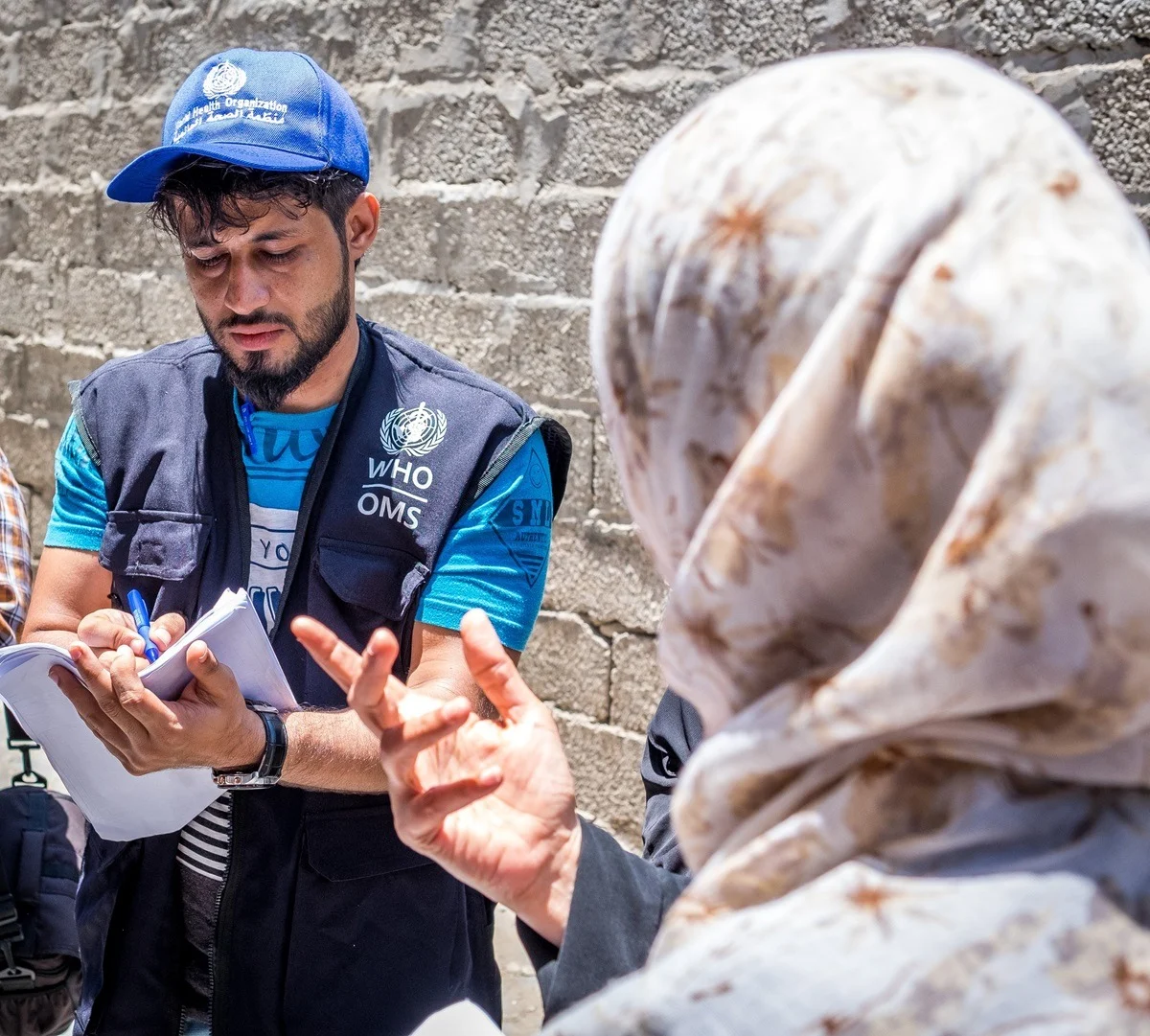
Based on the survey responses gathered by UNICEF and the WHO, the most commonly cited reasons for these widespread health service disruptions include parents actively avoiding local health centers out of fear of infection, severe transport limitations during lockdowns, the temporary suspension or complete closure of health facilities, and a reduced availability of healthcare workers. Frontline staffing shortages have been exacerbated by the redeployment of medical personnel to pandemic response efforts or their absence due to a lack of personal protective equipment, such as face masks and gloves, alongside mounting financial difficulties for families.
Among the hardest-hit countries identified in the reports are Afghanistan, Bolivia, Cameroon, the Central African Republic, Libya, Madagascar, Pakistan, Sudan, and Yemen.
Alarmingly, seven of these nine nations already contended with high child mortality rates exceeding 50 deaths per 1,000 live births among children under five in 2019. In Afghanistan, where approximately 1 in 17 children died before reaching their fifth birthday in 2019, the Ministry of Public Health reported a significant reduction in visits to healthcare facilities. Out of fear of contracting the virus, families have de-prioritized pre- and post-natal care, compounding the risks already faced by pregnant women and newborn babies.
Even before the emergence of COVID-19, newborns were universally recognized as the demographic group at the highest risk of mortality. In 2019 alone, a newborn baby died somewhere in the world every 13 seconds. Furthermore, 47 percent of all under-five deaths occurred during the fragile neonatal period, marking an increase from 40 percent in 1990. With severe, ongoing disruptions in essential health services, newborn babies face an exponentially higher risk of dying from preventable complications.
For instance, in Cameroon, where one out of every 38 newborns died in 2019, the UNICEF survey recorded an estimated 75 percent disruption rate in services dedicated to essential newborn care, antenatal checkups, obstetric services, and post-natal support.
The catastrophic potential of these disruptions was underscored as early as May, when initial predictive modeling by Johns Hopkins University indicated that nearly 6,000 additional children could die every single day as an indirect result of pandemic-related healthcare disruptions.
These comprehensive reports and surveys highlight the urgent need for immediate, targeted action to restore and improve childbirth services, as well as antenatal and postnatal care for mothers and infants. Ensuring the presence of skilled health workers to care for mothers at birth is paramount, alongside proactive community engagement to address parents’ fears and reassure them of the safety of medical facilities.
“The COVID-19 pandemic has put years of global progress to end preventable child deaths in serious jeopardy,” said Muhammad Ali Pate, Global Director for Health, Nutrition and Population at the World Bank. “It is essential to protect life-saving services which have been key to reducing child mortality. We will continue to work with governments and partners to reinforce healthcare systems to ensure mothers and children get the services they need.”
“The new report demonstrates the ongoing progress worldwide in reducing child mortality,” added John Wilmoth, Director of the Population Division of the United Nations Department of Economic and Social Affairs. “While the report highlights the negative effects of the COVID-19 pandemic on interventions that are critical for children’s health, it also draws attention to the need to redress the vast inequities in a child’s prospects for survival and good health.”

Related Posts