
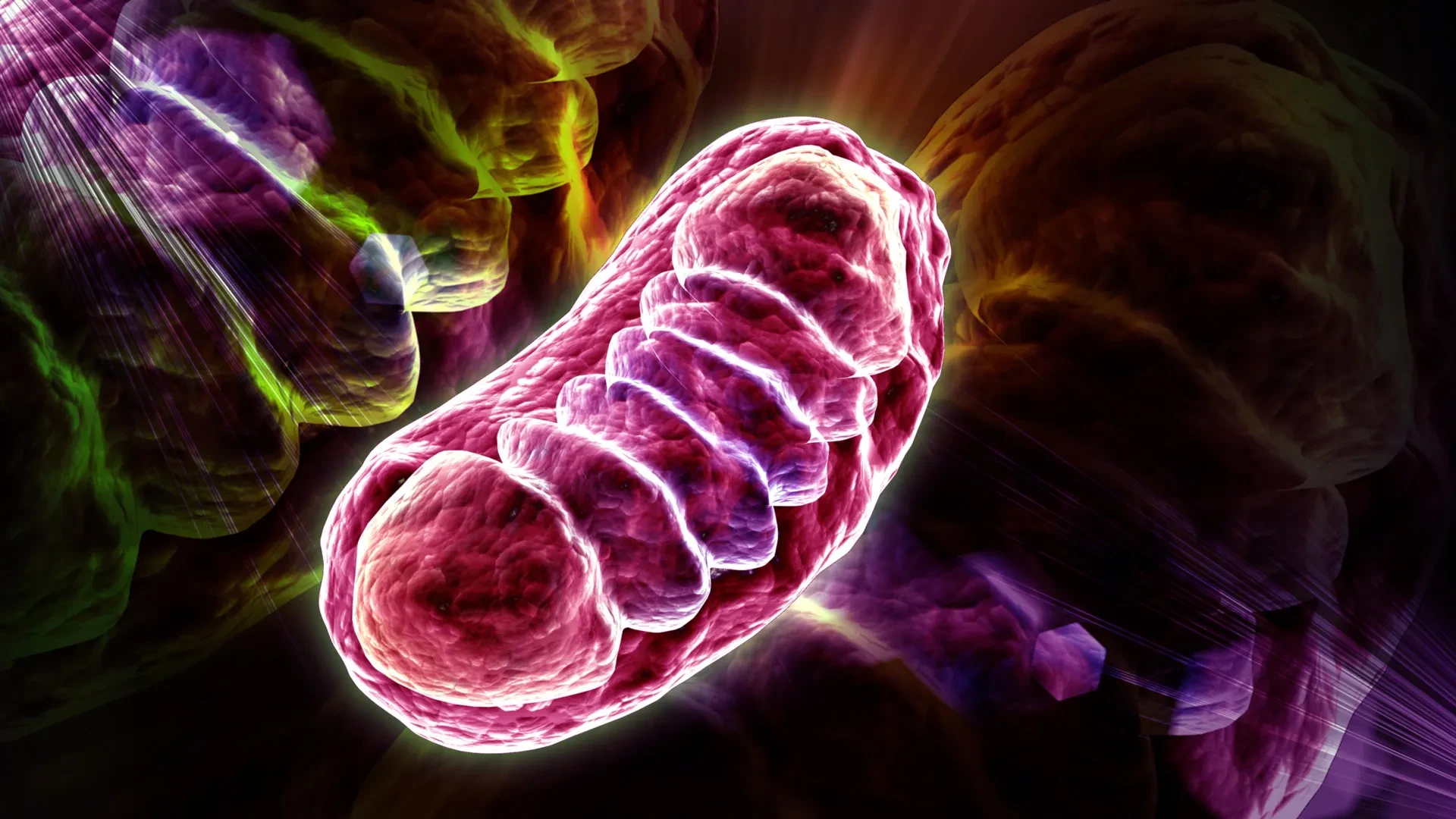
Mitochondria have long held a familiar title in biology classrooms and scientific literature alike: the powerhouses of the cell. Responsible for generating the vast majority of the chemical energy that human bodies require to grow, move, repair tissues, and sustain everyday physiological functions, these vital organelles are dynamic rather than static. They do not operate at a flat, constant pace. Instead, mitochondria continuously calibrate their activity, ramping up or scaling down depending on immediate cellular energy demands and the availability of circulating nutrients.
While scientists have known for decades that general nutrition heavily influences this metabolic fine-tuning, the precise molecular mechanisms by which individual nutrients send regulatory signals to alter mitochondrial activity have remained largely elusive. Now, an international team of researchers has bridged that knowledge gap. Led by Professor Dr. Thorsten Hoppe at the Institute for Genetics and the CECAD Cluster of Excellence on Aging Research at the University of Cologne, investigators have successfully identified a novel mechanism involving the essential amino acid leucine. Their findings demonstrate that leucine plays a direct role in stabilizing crucial proteins located within mitochondria, effectively granting the cellular powerhouses permission and capacity to produce energy with greater efficiency.
The groundbreaking study has been published in the prestigious scientific journal Nature Cell Biology under the title "Leucine inhibits degradation of outer mitochondrial membrane proteins to adapt mitochondrial respiration." The research sheds fresh light on the intricate communication network between diet, cellular metabolism, and protein maintenance.
How Leucine Helps Mitochondria Produce Energy
To understand the significance of the discovery, researchers emphasize the unique biological status of leucine. As an essential amino acid, leucine cannot be synthesized independently by the human body. To maintain adequate levels, humans must obtain it through dietary sources. Amino acids serve as the fundamental building blocks used by cells to construct proteins, and leucine is found in particularly high concentrations in protein-rich foods, including various dairy products, meats, beans, and lentils.
However, the new study reveals that leucine performs functions that extend far beyond acting as a passive building block for protein synthesis. The research team discovered that leucine actively intervenes to prevent the premature breakdown—or degradation—of specific proteins anchored to the outer surface of mitochondria.
These specialized outer membrane proteins play a critical role in cellular metabolism by acting as gatekeepers and transport hubs. They help move other vital molecules directly into the interior of the mitochondria, where those molecules can be processed as fuel by the cell’s energy-producing machinery. When leucine is abundantly available, it helps preserve the integrity and presence of these proteins. Consequently, mitochondria are able to operate far more effectively, significantly boosting the volume of energy the cell can generate to meet sudden physiological demands.
"We were thrilled to discover that a cell’s nutrient status, especially its leucine levels, directly impacts energy production," said Dr. Qiaochu Li, the first author of the study. "This mechanism enables cells to swiftly adapt to increased energy demands during periods of nutrient abundance."
A Cellular Quality Control Protein Plays a Key Role
To trace how this biochemical process unfolds inside living systems, the research team closely examined the pathway responsible for protein turnover, eventually homing in on a regulatory protein known as SEL1L. This protein is a central component of the cell’s sophisticated quality control machinery.
In any living organism, cells must constantly inspect their internal protein inventory. Damaged, misfolded, or obsolete proteins can severely interfere with normal cellular functions, potentially leading to cellular stress or disease. Proteins like SEL1L act as inspectors, identifying structural anomalies or proteins flagged for removal and directing them toward degradation pathways where they are safely dismantled.
According to the new study’s findings, leucine interacts with this system by suppressing or reducing the activity of SEL1L. Because SEL1L’s degradative activity is dialed down in the presence of adequate leucine, fewer mitochondrial membrane proteins are broken down. This allows a greater population of functional proteins to remain securely in place on the outer mitochondrial membrane, directly supporting and enhancing overall mitochondrial respiration and energy output.
Yet, the researchers add a note of scientific caution regarding this delicate balance. "Modulating leucine and SEL1L levels could be a strategy to boost energy production," Dr. Li noted. "However, it is important to proceed with caution. SEL1L also plays a crucial role in preventing the accumulation of damaged proteins, which is essential for long-term cellular health."
This cautionary perspective highlights a fundamental reality of molecular biology: increasing energy production is not universally beneficial in every physiological context. The identical cellular networks responsible for preserving useful, energy-promoting proteins are also tasked with clearing out defective, potentially toxic proteins. Altering this fine-tuned balance in an uncontrolled manner could trigger unintended and potentially harmful downstream consequences for the cell.
Effects on Fertility and Cancer Cells
To investigate the broader physiological implications of leucine metabolism and protein preservation, the research team expanded their experimental scope beyond basic cellular cultures. They conducted in vivo studies utilizing Caenorhabditis elegans, a tiny species of roundworm widely favored in biological research because many of its core cellular, genetic, and metabolic processes closely mirror those found in much more complex multicellular organisms, including humans.
In the roundworm experiments, disruptions or defects in normal leucine breakdown caused noticeable malfunctions in mitochondrial activity. Significantly, these mitochondrial disruptions were directly linked to downstream fertility problems in the organisms, illustrating how tightly tied basic nutritional metabolism is to complex reproductive health.
Furthermore, the scientists examined human lung cancer cells to see how the newly discovered pathway operates in pathological contexts. Their analysis revealed that specific mutations affecting leucine metabolism could actually assist cancer cells in surviving under challenging conditions. This observation carries substantial weight for future oncological research, indicating that therapeutic interventions designed to alter leucine-related metabolic pathways could impact healthy cells and malignant tumor cells in markedly different ways.
Diet Does Than Supply Simple Fuel
Ultimately, the findings from the University of Cologne add to a rapidly growing body of scientific evidence demonstrating that dietary nutrients do much more than simply provide raw material and caloric fuel for the body. Beyond their role as nutritional building blocks, nutrients frequently act as active signaling molecules that directly instruct cells on how to behave, adapt, and survive.
In this specific scenario, leucine functions as a metabolic sensor. By protecting key mitochondrial outer membrane proteins from targeted degradation, leucine enables cells to dynamically adjust their internal energy production in direct response to food and nutrient availability in the external environment.
By illuminating this previously unknown mechanistic link connecting leucine availability, protein quality control networks, and mitochondrial metabolism, the research team has successfully identified potential new therapeutic targets. These insights could eventually pave the way for novel approaches to treating human diseases characterized by disrupted cellular energy production, including various metabolic disorders and certain forms of cancer.
The research conducted at the University of Cologne was supported by Germany’s Excellence Strategy within the framework of the CECAD Cluster of Excellence, alongside multiple Collaborative Research Centres funded by the German Research Foundation, known as the DFG. Additional financial backing and project support were provided by the European Research Council through the prestigious ERC Advanced Grant titled "Cellular Strategies of Protein Quality Control-Degradation" (CellularPQCD), as well as by the Alexander von Humboldt Foundation.

Related Posts