The World Health Organization (WHO) has officially certified Timor-Leste as malaria-free, marking a remarkable public health achievement for a young nation that prioritized the elimination of the disease and embarked on a concerted, nationwide response shortly after gaining independence in 2002.
The announcement places Timor-Leste among an elite group of nations that have successfully vanquished one of humanity’s most persistent and devastating parasitic diseases. With this latest certification, a total of 47 countries and one territory have now been certified as malaria-free by the global health body. Furthermore, Timor-Leste makes history as only the third country in the WHO South-East Asia region to achieve this prestigious status, joining the Maldives and Sri Lanka, which were successfully certified in 2015 and 2016, respectively.
Official WHO certification of malaria elimination is not granted lightly. It is a rigorous distinction awarded only when a country has proven, beyond any reasonable doubt, that the chain of indigenous malaria transmission has been successfully interrupted nationwide for at least the previous three consecutive years. For Timor-Leste, crossing this finish line represents the culmination of more than two decades of unwavering political commitment, strategic public health interventions, and the tireless dedication of frontline healthcare workers operating across challenging geographical terrain.
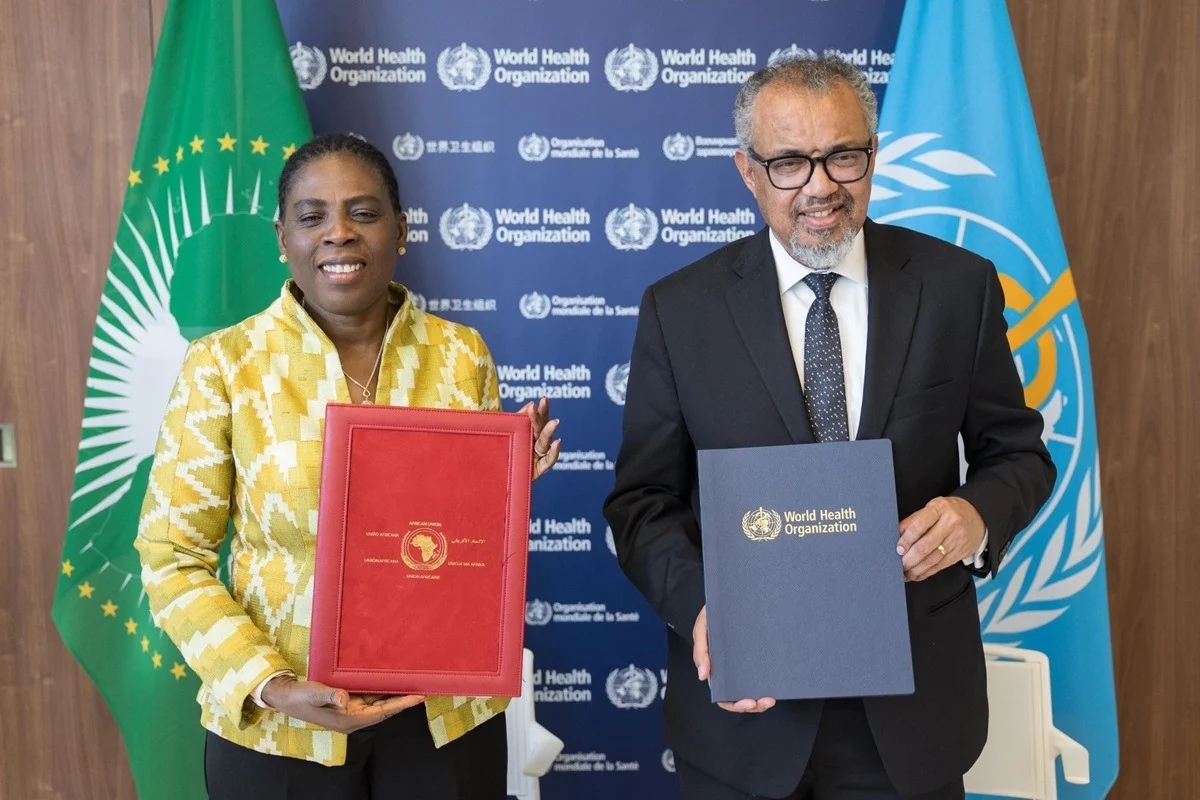
"WHO congratulates the people and government of Timor-Leste on this significant milestone," said Dr. Tedros Adhanom Ghebreyesus, WHO Director-General. "Timor-Leste’s success proves that malaria can be stopped in its tracks when strong political will, smart interventions, sustained domestic and external investment, and dedicated health workers unite."
The human cost of the disease in Timor-Leste’s early years of independence was immense. Reflecting on the journey from a high-burden crisis to total eradication, Dr. Élia António de Araújo dos Reis Amaral, Minister of Health for the Government of Timor-Leste, captured the profound emotional and national significance of the achievement.
"We did it. Malaria has been one of our most relentless enemies—silent, persistent, and deadly. We lost too many lives to a disease that should be preventable. But our health workers never gave up, our communities held strong, and our partners, like WHO, walked beside us," said Dr. Amaral. "From 223,000 cases to zero—this elimination honours every life lost and every life now saved. We must safeguard this victory with continued vigilance and community action to prevent malaria’s re-entry."
A Rapid Shift from High Burden Country to Malaria-Free
The trajectory of Timor-Leste’s malaria control program stands as one of the most compelling public health success stories of the 21st century. Following the restoration of its independence in 2002, the nation faced an overwhelming public health landscape characterized by widespread infectious diseases, fragile infrastructure, and a massive malaria burden. At its peak in 2006, the country recorded more than 223,000 clinically diagnosed cases of malaria in a population of less than a million people. Through an aggressive and systematic national strategy, the Ministry of Health drove that staggering number down year after year, eventually achieving zero indigenous cases from 2021 onwards.
This rapid transformation was catalyzed by swift administrative action. As early as 2003, the Ministry of Health established the National Malaria Programme, creating a dedicated institutional framework specifically tasked with the long-term planning, tactical implementation, and rigorous monitoring of malaria control efforts across the entire country.
Although the initiative began with modest resources—initially operating with only two full-time officers—it successfully laid the groundwork for future progress. The program’s early effectiveness was rooted in strong technical leadership, high managerial capacity, and an acute attention to detail that ensured resources were deployed where they were most desperately needed.
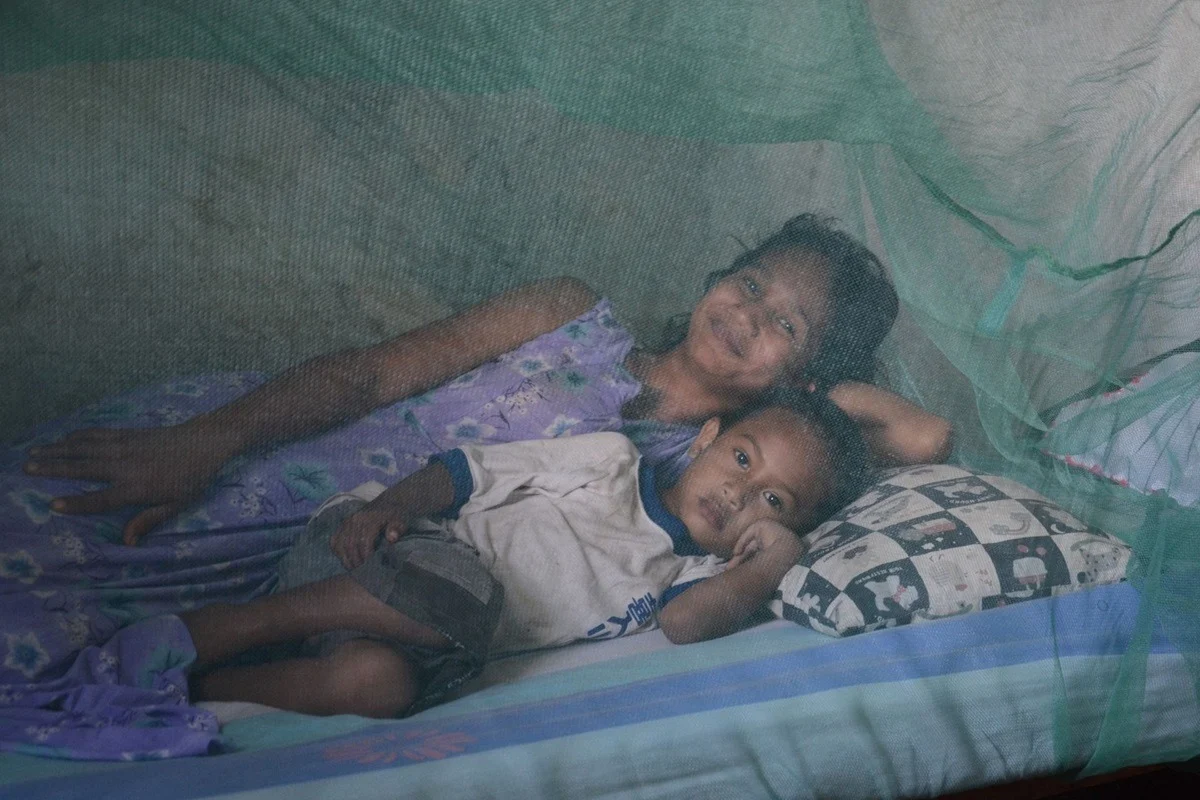
As the program matured over the decade, Timor-Leste rapidly integrated modern epidemiological tools into its clinical protocols. Within just a few years, the country introduced rapid diagnostic tests (RDTs) and artemisinin-based combination therapies (ACTs) as standard practices under the National Malaria Treatment Guidelines. Simultaneously, health authorities initiated the large-scale distribution of free long-lasting insecticide-treated nets (LLINs) to protect the communities deemed most vulnerable to mosquito-borne transmission.
A major operational turning point arrived in 2009. Bolstered by critical external financing and support from the Global Fund to Fight AIDS, Tuberculosis and Malaria, Timor-Leste significantly scaled up its nationwide vector control operations. This expansion involved massive distributions of insecticide-treated nets alongside targeted indoor residual spraying (IRS) campaigns in high-risk zones.
Furthermore, diagnostic capabilities were radically decentralized. Microscopy and rapid diagnostic tests were expanded directly to the point of care, ensuring that testing infrastructure was embedded within local health posts across the nation rather than restricted to centralized urban hospitals.
Addressing the structural challenge of severe shortages in trained medical personnel and doctors, Timor-Leste made strategic investments in its foundational healthcare architecture. The government systematically developed and strengthened a comprehensive three-tier health system. This integrated network comprises national hospitals, reference hospitals, community health centers (CHCs), and local health posts.
Through this deliberate structural expansion, the government successfully ensured that the vast majority of residents could access essential healthcare services within a manageable one-hour walk from their homes. Compounding this physical accessibility, the government instituted a policy of free universal healthcare, ensuring that citizens received essential medical services without facing financial barriers at the point of care. To reach remote and isolated communities that lacked permanent infrastructure, the Ministry of Health deployed monthly mobile clinics and dedicated community outreach programs, effectively bridging the healthcare gap for rural populations.
The multifaceted strategy that ultimately led to certification relied heavily on cross-sector collaboration and advanced surveillance. Timor-Leste’s success highlights the enduring importance of robust national leadership combined with active partnerships involving the Ministry of Health, the WHO, local communities, non-governmental organizations, international donors, and various government sectors.
A cornerstone of this cooperative effort was the implementation of a real-time, integrated case-based surveillance system, which allowed for instantaneous data collection and a rapid public health response to any potential flare-ups. Highly trained health workers ensured the timely detection and screening of all suspected cases, including rigorous screening protocols implemented at international borders to intercept imported infections. These seamlessly integrated preventive, diagnostic, and surveillance measures ultimately created the impenetrable defense required to secure official malaria-free certification.
Dr. Arvind Mathur, WHO Representative to Timor-Leste, underscored the grit and determination required by the young nation to achieve this historic milestone.
"Timor-Leste’s malaria-free certification is a defining national triumph—driven by bold leadership, tireless efforts of health workers, and the resolve of its people," said Dr. Mathur. "As a young nation, Timor-Leste stayed focused—testing, treating, and investigating swiftly. Ending transmission and maintaining zero deaths takes more than science; it takes grit. This victory protects generations, present and future, and shows what a determined country can achieve."
With the certification process successfully concluded, the final decision to award the malaria-free status was made directly by the WHO Director-General. This determination followed the formal recommendation of the Technical Advisory Group on Malaria Elimination and Certification, alongside rigorous validation from the Malaria Policy Advisory Group, cementing Timor-Leste’s place in global health history.

Related Posts