For anyone raised on the vibrant, idiosyncratic culinary landscape of Charm City, few dishes evoke as much deep-seated comfort and nostalgia as yat gaw mein. Often affectionately referred to by locals as "Baltimore yak" or "dirty yak," this unique specialty stands tall as Baltimore carryout comfort food at its absolute finest. Far from being a modern culinary invention, the dish represents a fascinating, centuries-old Chinese American cultural remix, tracing its lineage back to the late 19th century when early Chinese immigrants first began establishing roots and setting up businesses within the bustling port city.
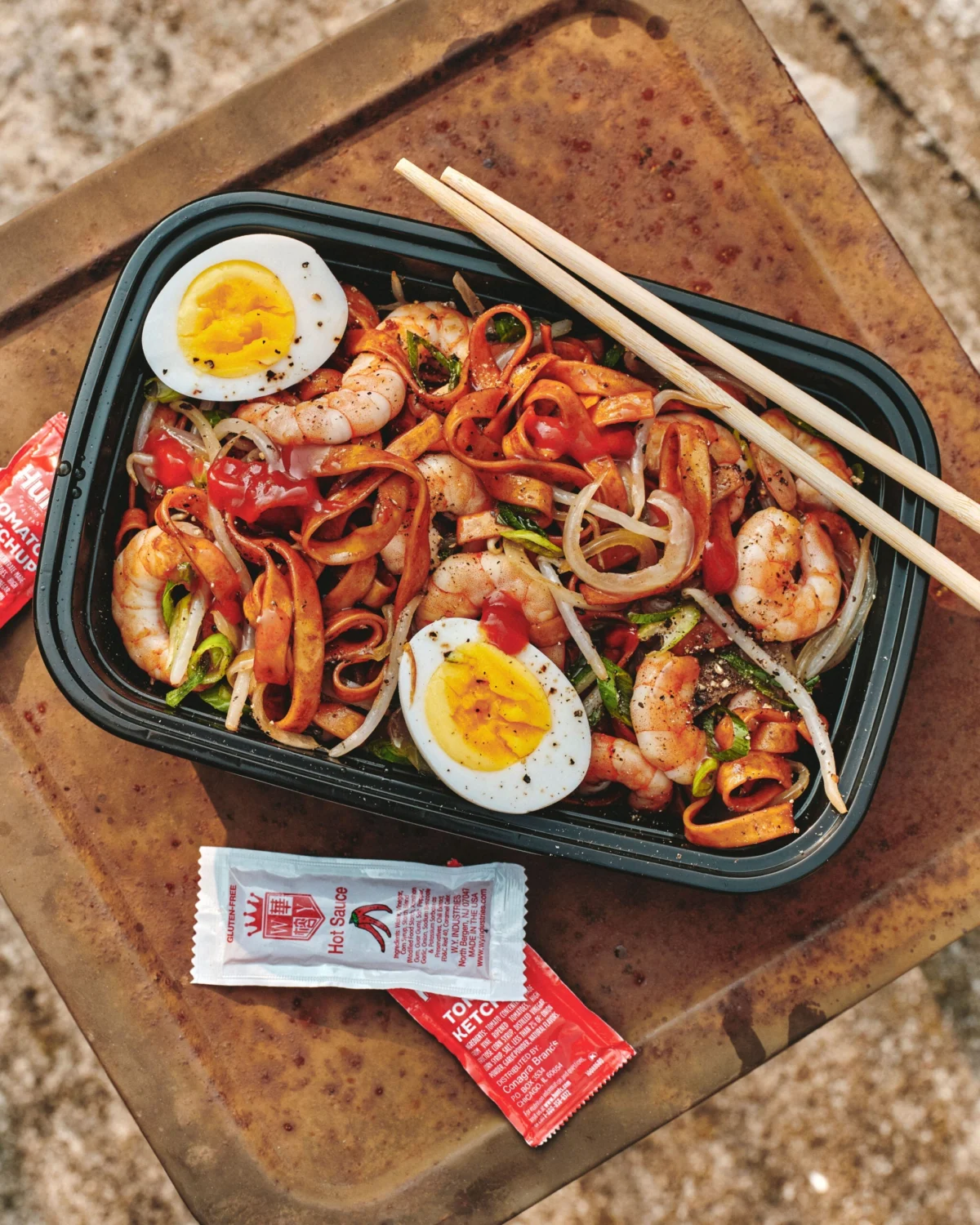
The origins of yat gaw mein are deeply intertwined with the shifting demographics and community integration of late-19th-century Baltimore. As Chinese cooks and entrepreneurs established businesses in traditionally Black and working-class neighborhoods, they faced the practical necessity of adapting their native culinary traditions to locally available ingredients and the preferences of their new neighbors. In place of the complex fermented bean pastes native to northern China, these immigrant chefs innovated simpler, soy-based gravies that resonated with local palates. Over the decades, this cross-cultural exchange gave birth to something entirely new: a distinctively local masterpiece featuring savory wheat noodles, stir-fried with a mix of shrimp, beef, and fresh vegetables, and traditionally punctuated by the addition of a hearty hard-boiled egg right on top.
Today, this beloved regional staple can still be tracked down at classic counter-service spots scattered around town. Neighborhood mainstays like Jimmy’s Carryout, Danny’s, and Pimlico Chinese Carry Out continue to serve the comforting specialty to generations of loyal patrons, preserving a vital piece of Baltimore’s culinary heritage. Yet, while the dish has long thrived in neighborhood carryouts, it has also captured the imagination of contemporary chefs looking to honor and reinterpret Baltimore’s rich gastronomic history.
Among those championing the dish is Steve Chu, the acclaimed chef behind Baltimore’s popular Ekiben. In his distinct at-home interpretation of yat gaw mein, Chu leans heavily into the sensory experience that defines great wok cooking, utilizing smoky, wok-charred noodles tossed with umami-packed soy sauce, savory oyster sauce, rich animal fats, and sweet caramelized onions. What elevates the dish and earns it the colloquial moniker "dirty" is the intense, complex flavor profile that develops when soy sauce, sugar, and aromatics scorch against the scorching hot metal of the wok. This high-heat searing process generates deep, savory notes that are expertly balanced by a subtle, underlying sweetness.
Achieving this signature flavor requires precision and adherence to traditional technique. Chefs and home cooks alike must keep their woks roaring on high heat and stir frequently throughout the cooking process. This constant motion allows for the development of wok hei, a Cantonese term that translates poetically to "the breath of a wok" and refers to the elusive, smoky essence imparted by a properly seasoned hot metal surface working its magic on the ingredients. While unconventional to some, a final finishing squeeze of ketchup delivers the essential acidic punch that ties all the rich, savory elements together, completing the dish in true Baltimore carryout fashion.
For those eager to recreate the magic of Baltimore yak in their own kitchens, the process begins by bringing a large pot of salted water to a rolling boil. Standard wheat noodles are added and cooked for approximately one minute less than the package instructions dictate, ensuring they remain slightly undercooked before being drained and briefly rinsed under cold water to halt the cooking process and set aside to cool.
The action then moves to the wok, which must be heated over high flame until it begins to lightly smoke. Rich duck fat is introduced to the pan, quickly followed by fresh bean sprouts, diced onion, and crisp scallions. This aromatic mixture is stir-fried until the edges begin to achieve a rich brown hue, taking roughly one minute. At this stage, the prepared noodles are added to the wok alongside both light and dark soy sauces, savory oyster sauce, a touch of MSG for depth, sugar, and chile flakes. The contents are continuously tossed and stir-fried so that the sauce coats the noodles evenly, beginning to caramelize and brown directly against the hot surface of the wok over a span of one to four minutes, with extra dark soy sauce added if a deeper color is preferred.
To build the rich gravy characteristic of the dish, a cup and a half of water is poured into the wok. This liquid helps deglaze the pan, allowing the cook to scrape up the savory browned bits stuck to the metal, and simmers until the noodles absorb a portion of the liquid, taking about one minute. For those who prefer a saucier consistency, slightly more water can be incorporated at this stage. Finally, tender shrimp and a prepared hard-boiled egg are gently introduced to the wok, tossed with care so that the egg warms through and absorbs some of the dark soy coloration without breaking apart. The finished yat gaw mein is served immediately, accompanied traditionally by ketchup and hot sauce on the side, keeping alive a century-old Baltimore tradition for a new generation of food enthusiasts.

Related Posts