GENEVA / DILI — In a monumental public health achievement for a young nation, the World Health Organization (WHO) has officially certified Timor-Leste as a malaria-free country. The landmark milestone comes after decades of focused, nationwide mobilization, highlighting what can be accomplished when sustained political commitment, strategic medical interventions, and tireless community health workers unite against a persistent disease.
The formal announcement places Timor-Leste among an elite group of global health successes. With this certification, a total of 47 countries and one territory worldwide have now been recognized by the WHO as having eliminated malaria entirely. Within the WHO South-East Asia region, Timor-Leste stands proudly as the third nation to achieve this coveted status, following the Maldives and Sri Lanka, which received their certifications in 2015 and 2016, respectively.
To attain malaria-free certification from the WHO, a country must prove beyond any reasonable doubt that the chain of indigenous transmission—meaning cases contracted locally within the country’s borders—has been successfully and continuously interrupted nationwide for at least the previous three consecutive years. For Timor-Leste, crossing this historic finish line marks the culmination of a relentless campaign that began almost immediately after the nation regained its independence in 2002.
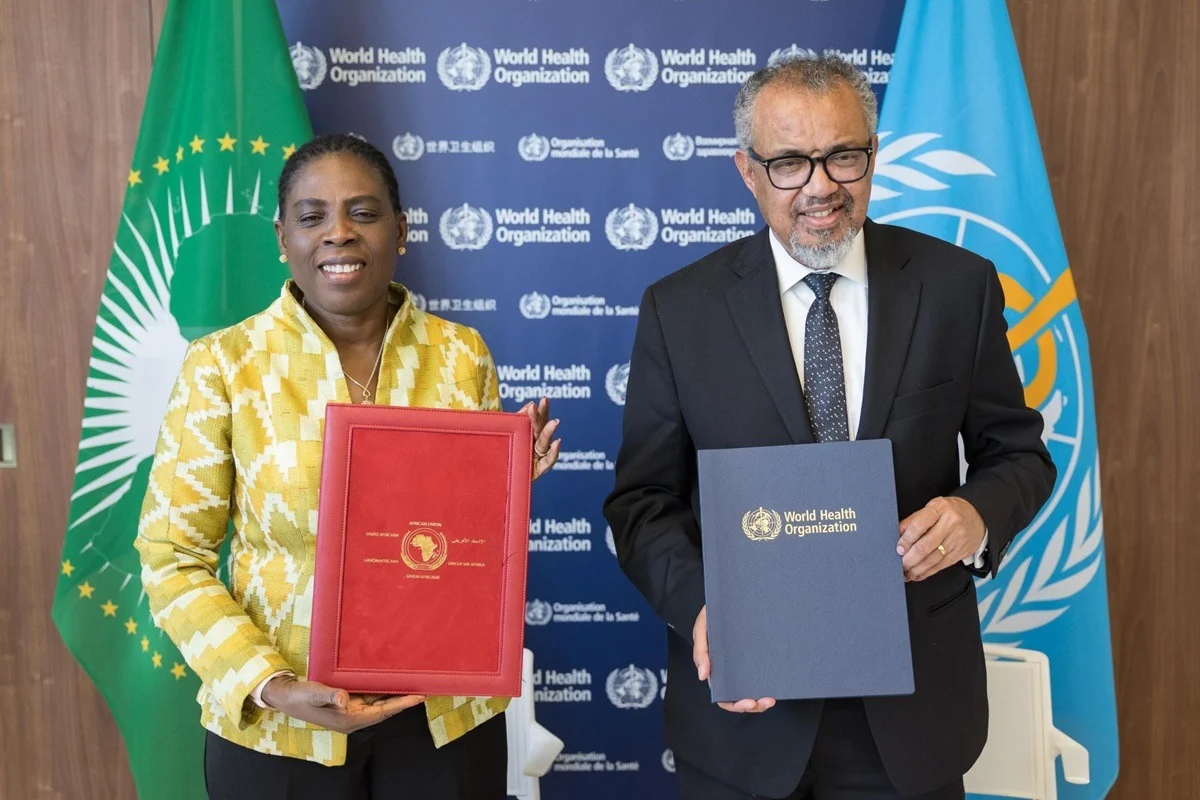
Dr. Tedros Adhanom Ghebreyesus, the WHO Director-General, offered his praise for the accomplishment, extending formal congratulations to both the people and the government of Timor-Leste.
"WHO congratulates the people and government of Timor-Leste on this significant milestone," Dr. Tedros said. "Timor-Leste’s success proves that malaria can be stopped in its tracks when strong political will, smart interventions, sustained domestic and external investment, and dedicated health workers unite."
The emotional weight of the victory was palpable among national leaders who spent years on the front lines of the epidemiological battle. Dr. Élia António de Araújo dos Reis Amaral, Minister of Health for the Government of Timor-Leste, reflected on the long and grueling journey required to eradicate a disease that had burdened generations of citizens.
"We did it. Malaria has been one of our most relentless enemies—silent, persistent, and deadly. We lost too many lives to a disease that should be preventable," Dr. Amaral said. "But our health workers never gave up, our communities held strong, and our partners, like WHO, walked beside us. From 223,000 cases to zero—this elimination honours every life lost and every life now saved. We must safeguard this victory with continued vigilance and community action to prevent malaria’s re-entry."
A Rapid Shift from High Burden Country to Malaria-Free
The trajectory of Timor-Leste’s malaria control program stands as one of the most remarkable turnarounds in modern public health history. Following its hard-fought independence in 2002, the country inherited a staggering disease burden. By 2006, health authorities recorded a peak of more than 223,000 clinically diagnosed cases of malaria in a population striving to build its infrastructure from the ground up. Through aggressive intervention and unwavering national focus, those numbers plummeted over the ensuing decade and a half, leading to zero indigenous cases recorded from 2021 onwards.
The foundation for this dramatic epidemiological shift was laid rapidly. In 2003, just one year after gaining independence, the Ministry of Health took decisive action by establishing the National Malaria Programme. This dedicated institutional body was created specifically to plan, execute, and monitor comprehensive malaria control efforts across the entire nation. Operating initially with a skeletal staff of only two full-time officers, the program managed to build immediate momentum through strong technical leadership, meticulous attention to detail, and sound managerial capacity.
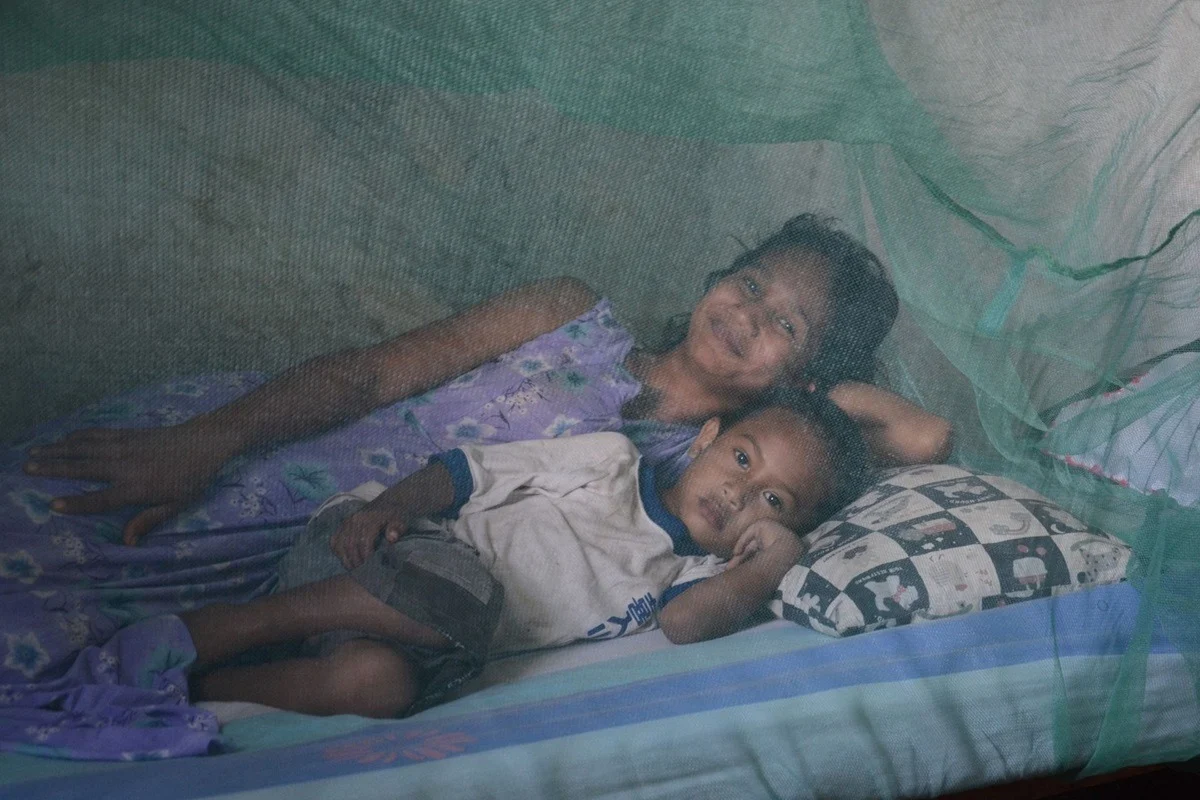
As the years progressed, the operational strategy evolved to incorporate cutting-edge medical tools. Within a short span, Timor-Leste introduced rapid diagnostic tests (RDTs) and artemisinin-based combination therapies (ACTs) as core components of its National Malaria Treatment Guidelines. Simultaneously, the government initiated broad distributions of free long-lasting insecticide-treated nets (LLINs) directly to the communities deemed most at risk of infection.
A critical scaling-up phase occurred in 2009. Bolstered by vital financial and logistical support from the Global Fund to Fight AIDS, Tuberculosis and Malaria, Timor-Leste expanded its vector control operations nationwide. This expansion involved massive distributions of insecticide-treated nets alongside targeted indoor residual spraying (IRS) campaigns in high-risk residential areas. Furthermore, diagnostic capabilities were heavily decentralized. Microscopy and rapid diagnostic tests were integrated directly into point-of-care services across every local health post in the country.
Overcoming severe shortages of trained medical personnel and doctors required innovative structural investments. Timor-Leste systematically developed and strengthened its three-tier public health system, which encompasses national hospitals, reference hospitals, community health centers (CHCs), and localized health posts. This strategic network was designed to ensure that the vast majority of residents could access essential healthcare services within an hour’s walk from their homes.
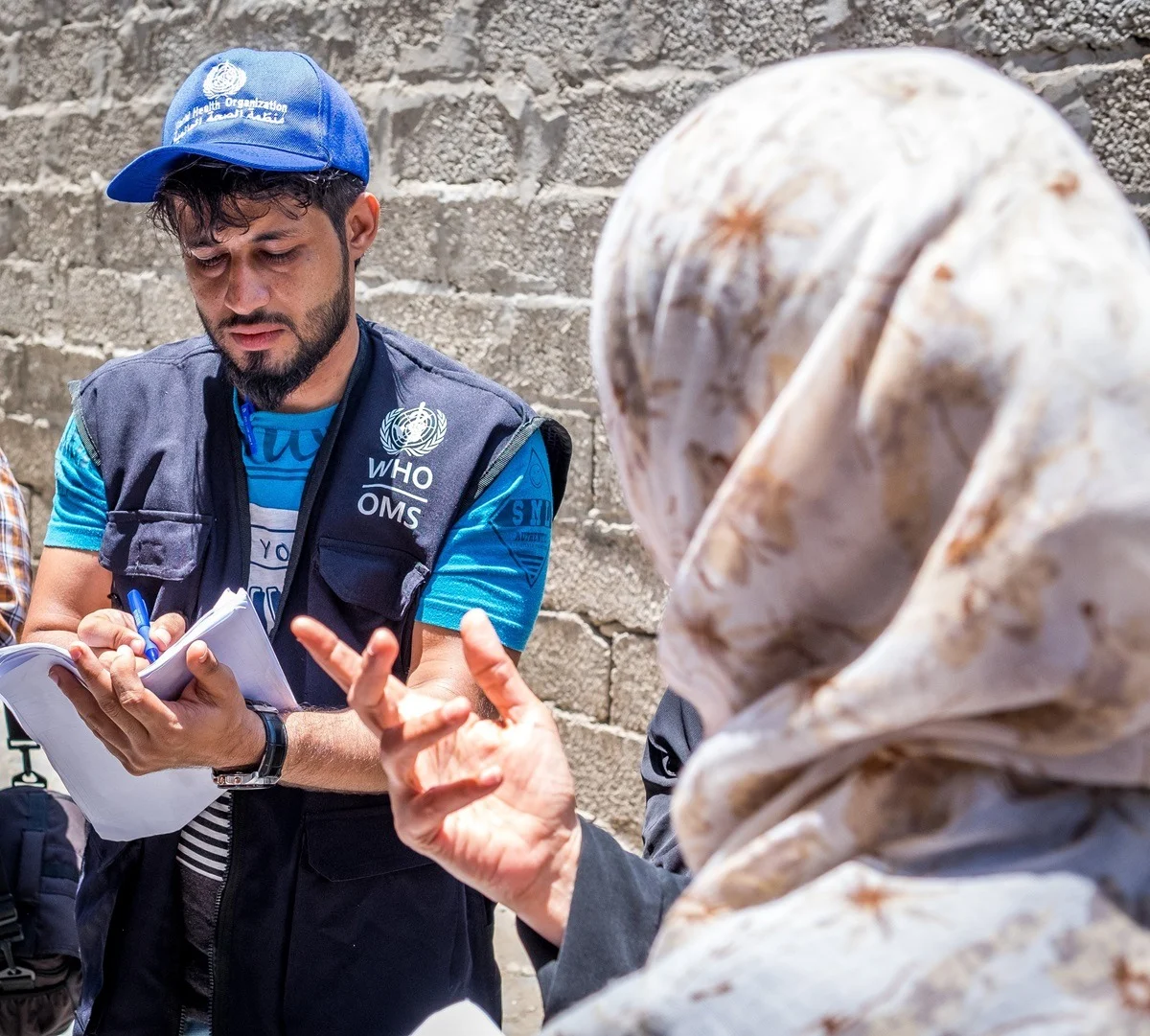
In alignment with national universal health coverage policies, citizens receive these healthcare services free of charge at the point of care. To bridge geographical divides and ensure no remote community was left behind, the government also introduced monthly mobile clinics and comprehensive community outreach programs, deeply embedding health services into rural life.
The collaborative nature of the campaign was a central pillar of its success. Timor-Leste’s triumph underscores the profound impact of strong country leadership coupled with multi-sector partnerships involving the Ministry of Health, the WHO, local communities, non-governmental organizations, international donors, and various governmental ministries.
On the technological front, the implementation of a real-time integrated case-based surveillance system allowed for rapid data collection and immediate public health responses. Trained health workers ensured timely detection, screening, and treatment of any suspected malaria cases, maintaining strict vigilance even at international borders. These interconnected strategies collectively forged the pathway toward official malaria-free certification.
Dr. Arvind Mathur, the WHO Representative to Timor-Leste, emphasized the grit and determination required to transform public health projections into reality for a developing island nation.
"Timor-Leste’s malaria-free certification is a defining national triumph—driven by bold leadership, tireless efforts of health workers, and the resolve of its people," Dr. Mathur said. "As a young nation, Timor-Leste stayed focused—testing, treating, and investigating swiftly. Ending transmission and maintaining zero deaths takes more than science; it takes grit. This victory protects generations, present and future, and shows what a determined country can achieve."

Related Posts